When Puja Becomes a Memory:- Preserving Durga Puja Through Art
Durga Puja is not merely a date on the calendar for Bengalis—it’s an emotion, a tradition, and a feeling that lives in the heart.
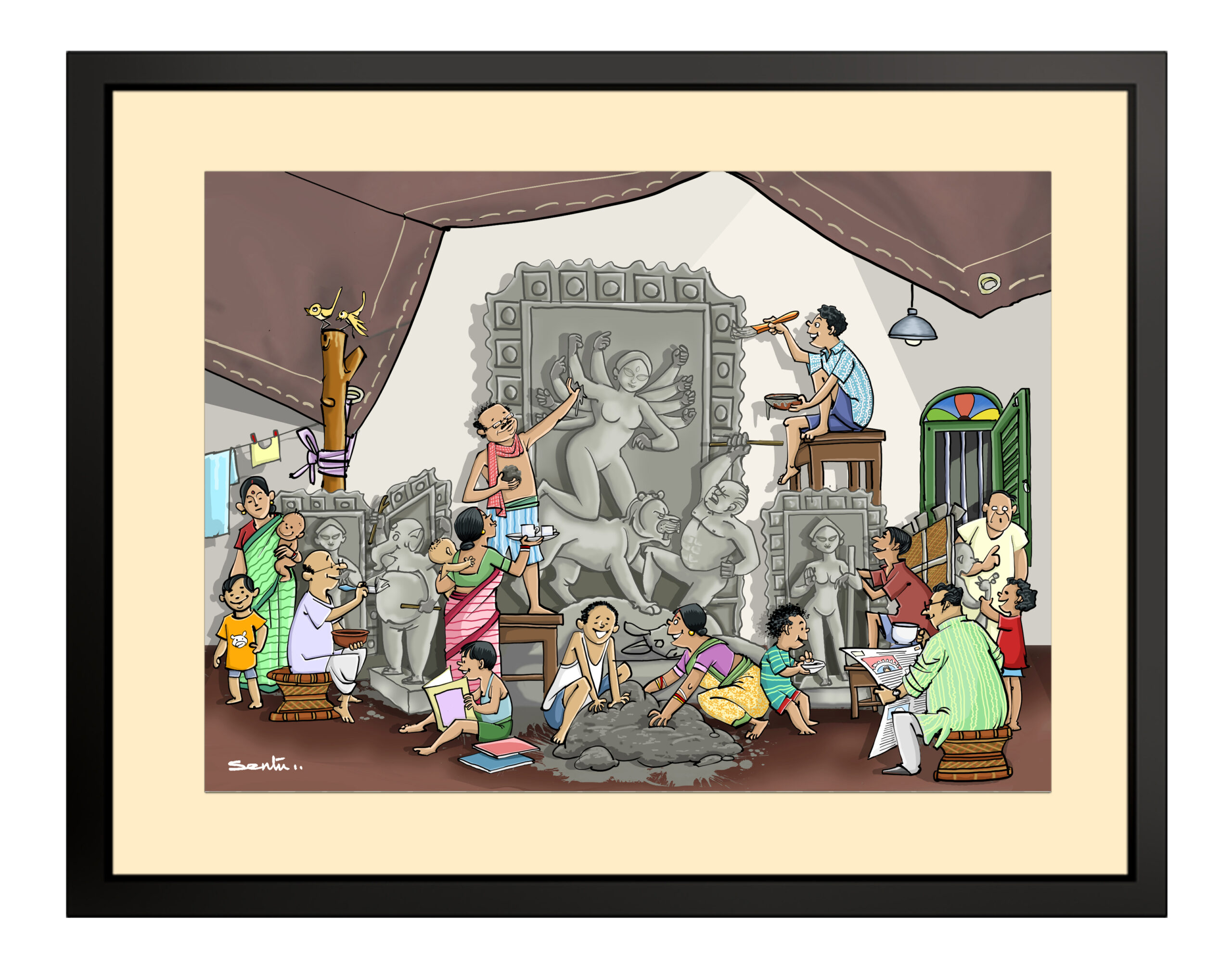
Long before the city lights up, before the dhaak fills the streets, before families start planning their Puja outings — somewhere in Kumartuli, a lump of clay begins to take the shape of Maa. And perhaps, that is where the story of Durga Puja truly begins.
What begins as an idol is gradually transformed into a symbol of faith, celebration and homecoming.For many Bengalis, seeing the unfinished idols in Kumartuli is itself a sign that Maa is coming.
The anticipation has begun.
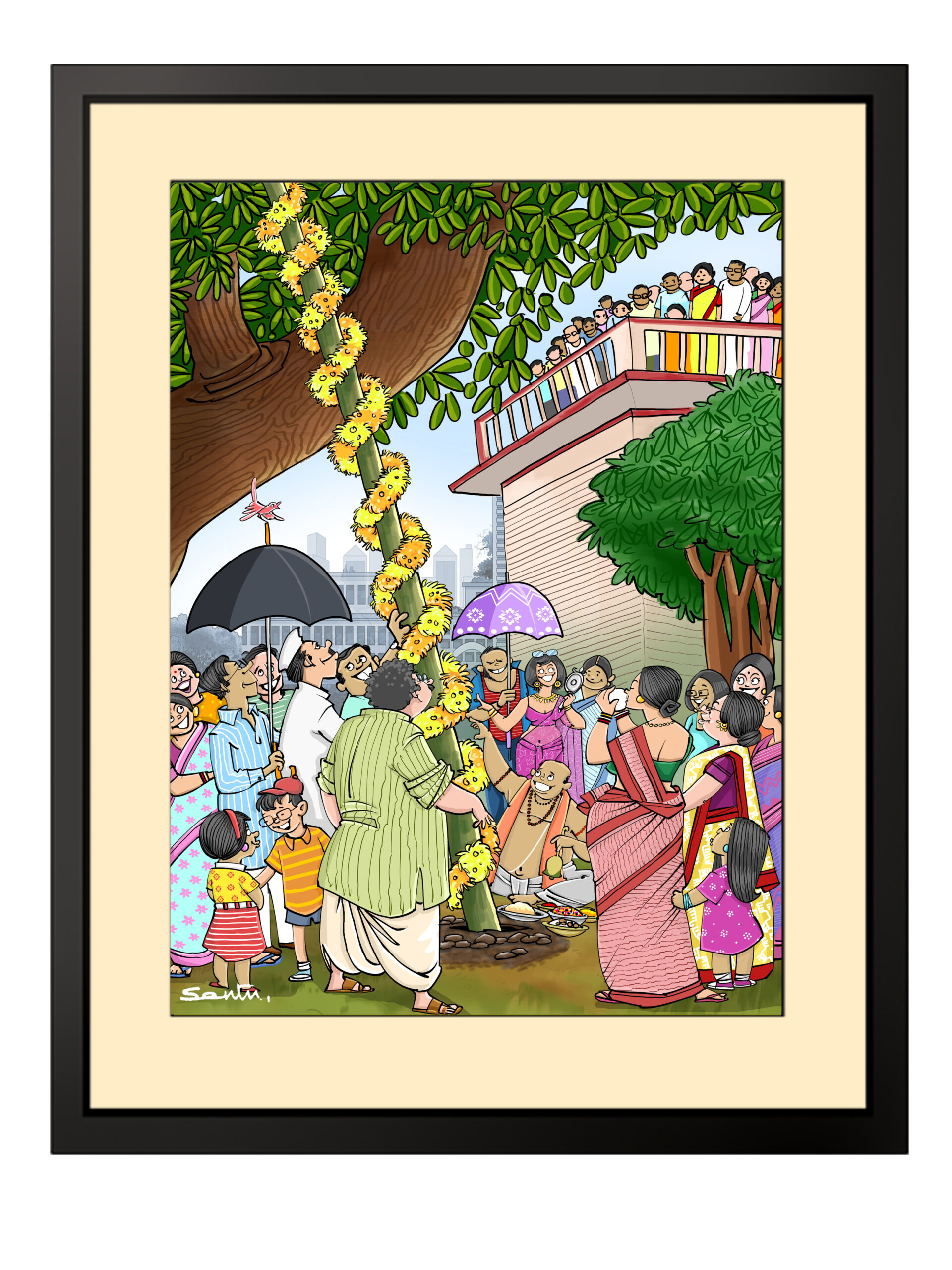
Then comes Khuti Puja — marking the beginning of the physical preparation for the grand celebrations.
Behind the glamour of the finished pandal lies the hard work of countless hands.
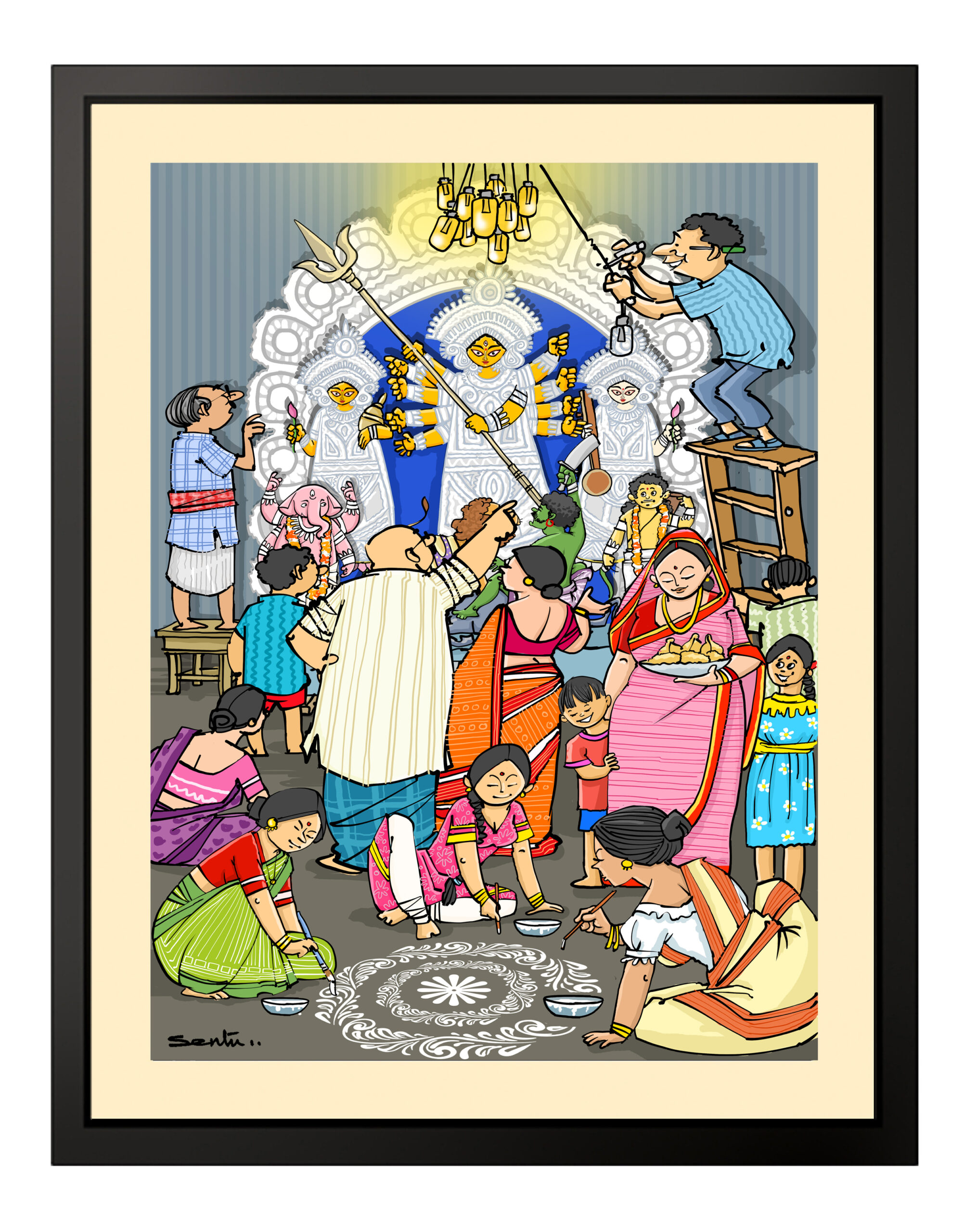
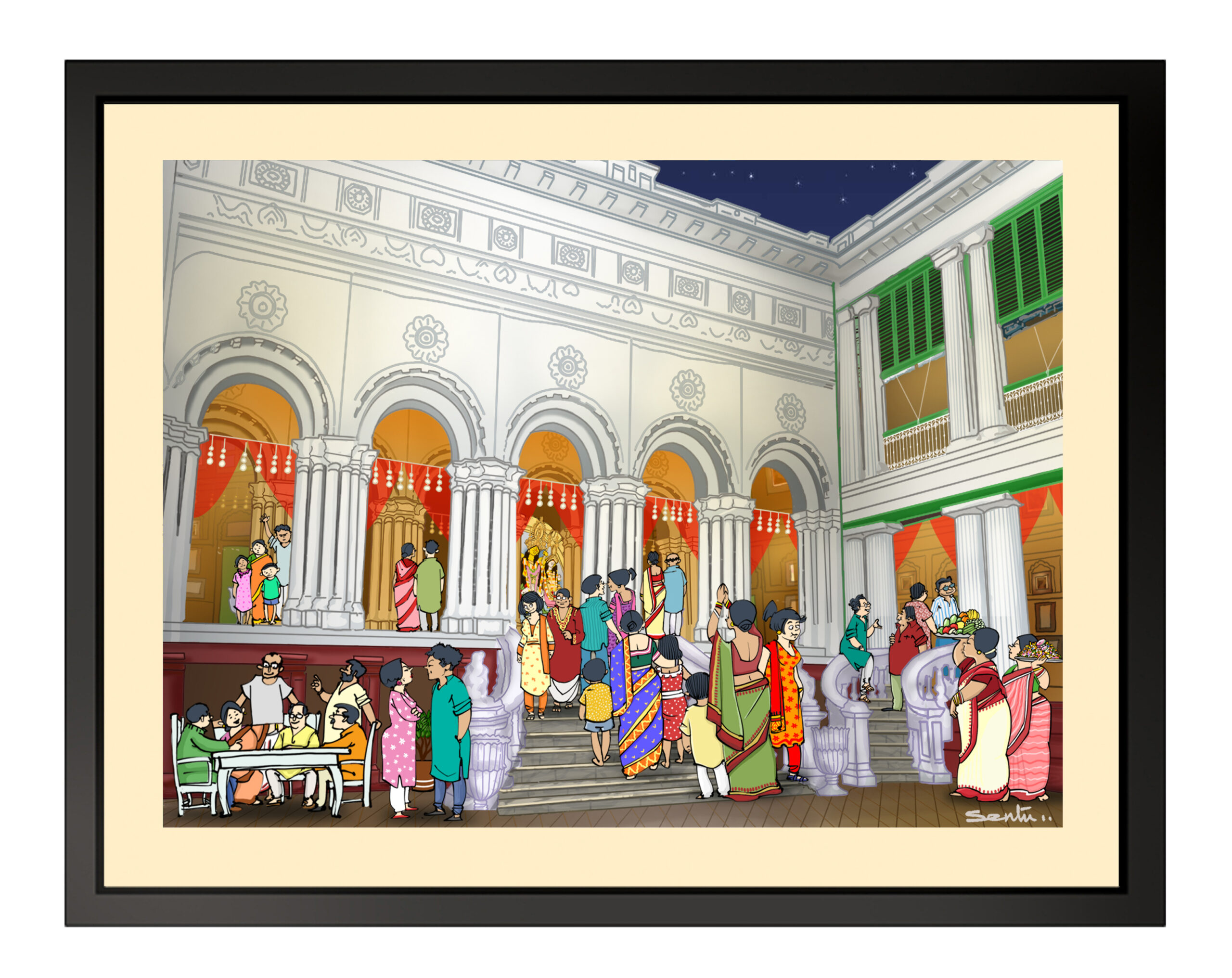
From traditional Bonedi Bari celebrations to contemporary themed pandals, every Puja carries its own visual identity.And Kolkata begins to change.
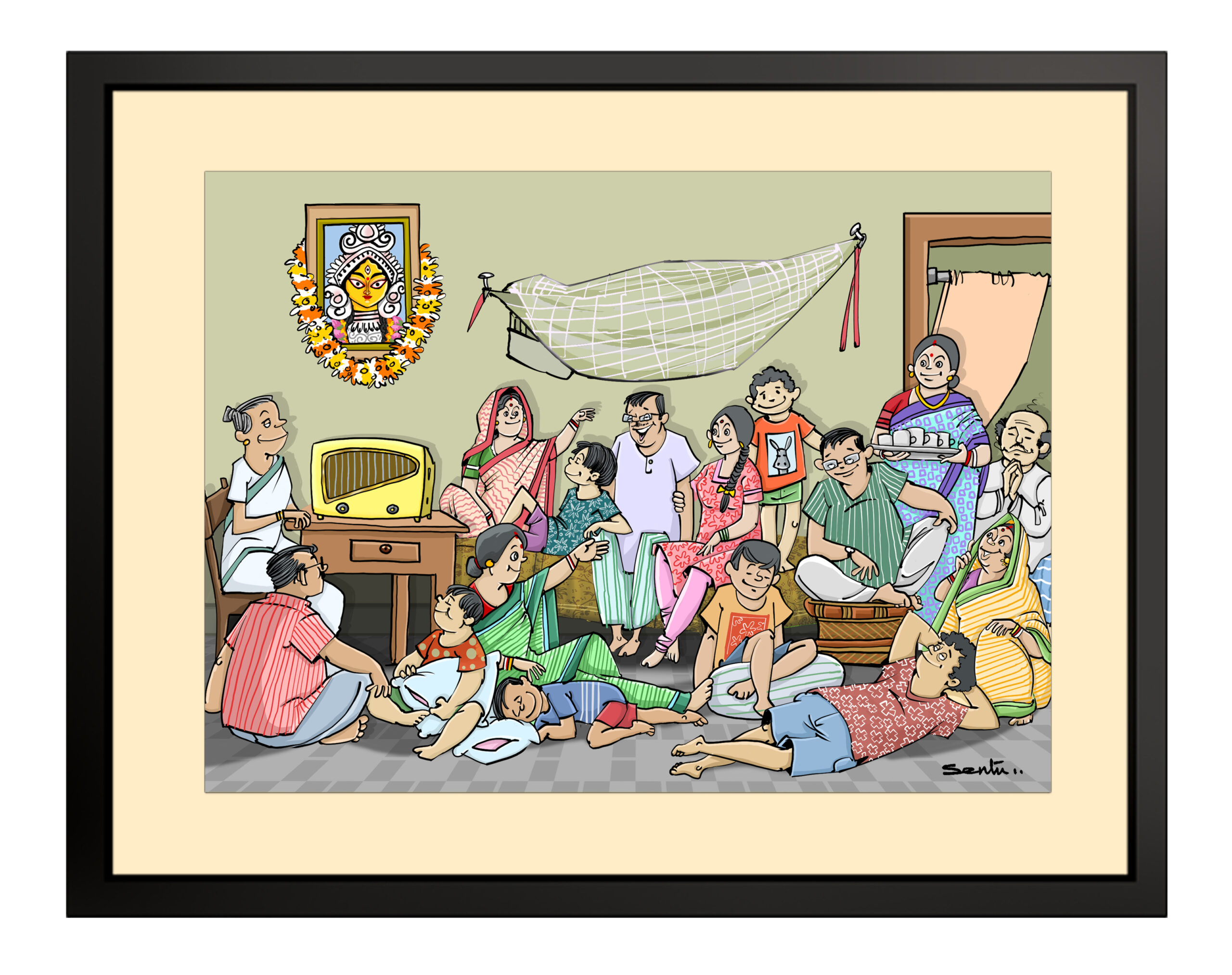
Then comes Mahalaya. It is a feeling that begins with the familiar sound of Mahishasuramardini in the early morning.The fragrance of shiuli flowers, the lights appearing across neighbourhoods, the first glimpse of Maa, the sound of dhaak, the gathering of family and friends, the long walks through the city and the endless photographs taken along the way.For generations of Bengalis, this is one of the most emotional signs that Puja has truly arrived.
The wait becomes real. Maa Ashchen. The city feels different. The air carries anticipation. New clothes are taken out. Families make plans. Shopping begins. And somewhere inside every Bengali heart, there is the unmistakable feeling — “Pujo eshe geche.”And then, almost too soon, comes Bisorjon.
The lights fade. The dhaak becomes distant. The pandals begin to disappear.
But the feeling remains.
Turning Moments into Memories:-
This is where Sentoor Kartoon represents something more than merchandise.
Through Sentu's art, familiar moments of Durga Puja are transformed into visual memories — memories that can be kept long after the celebrations are over.
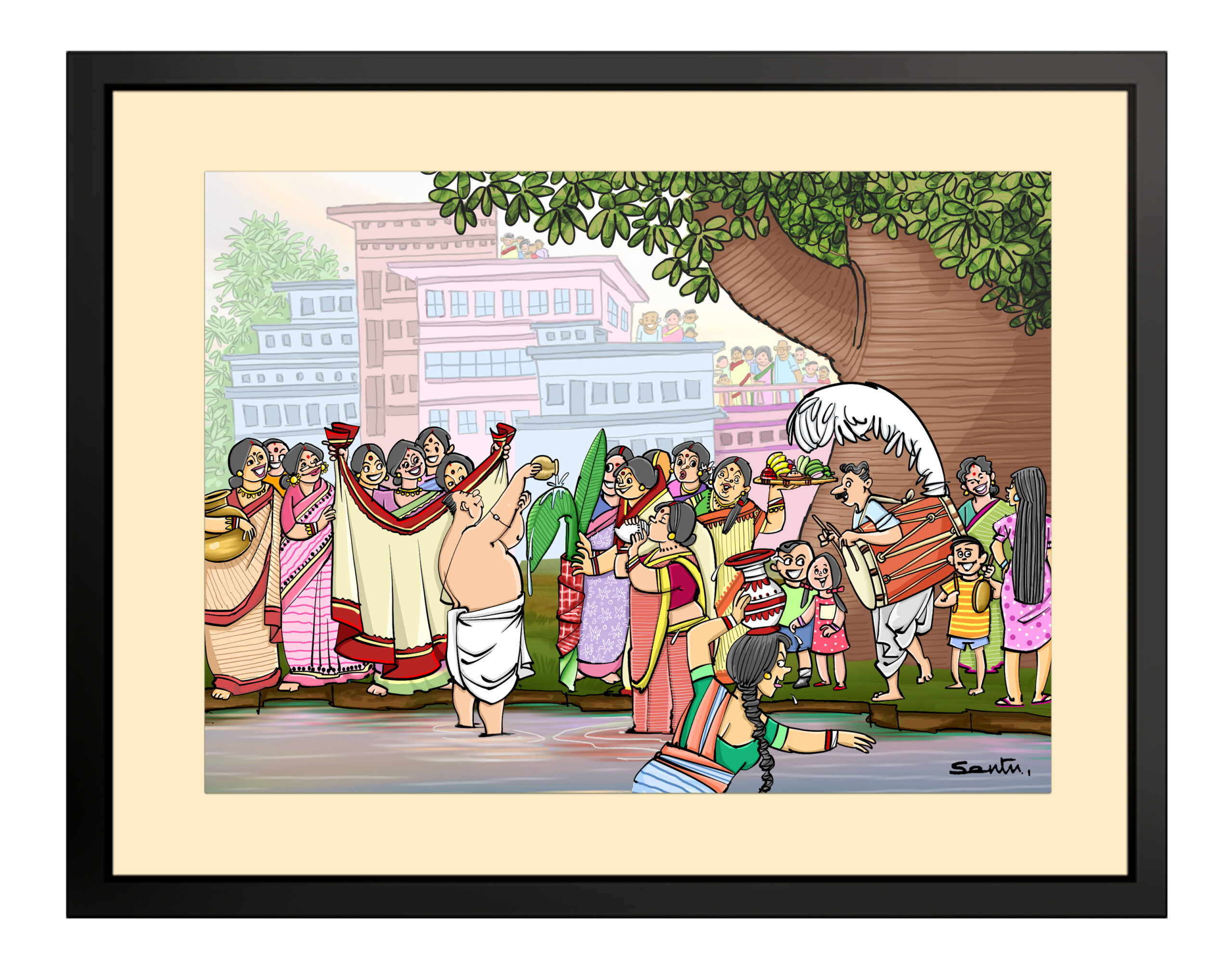
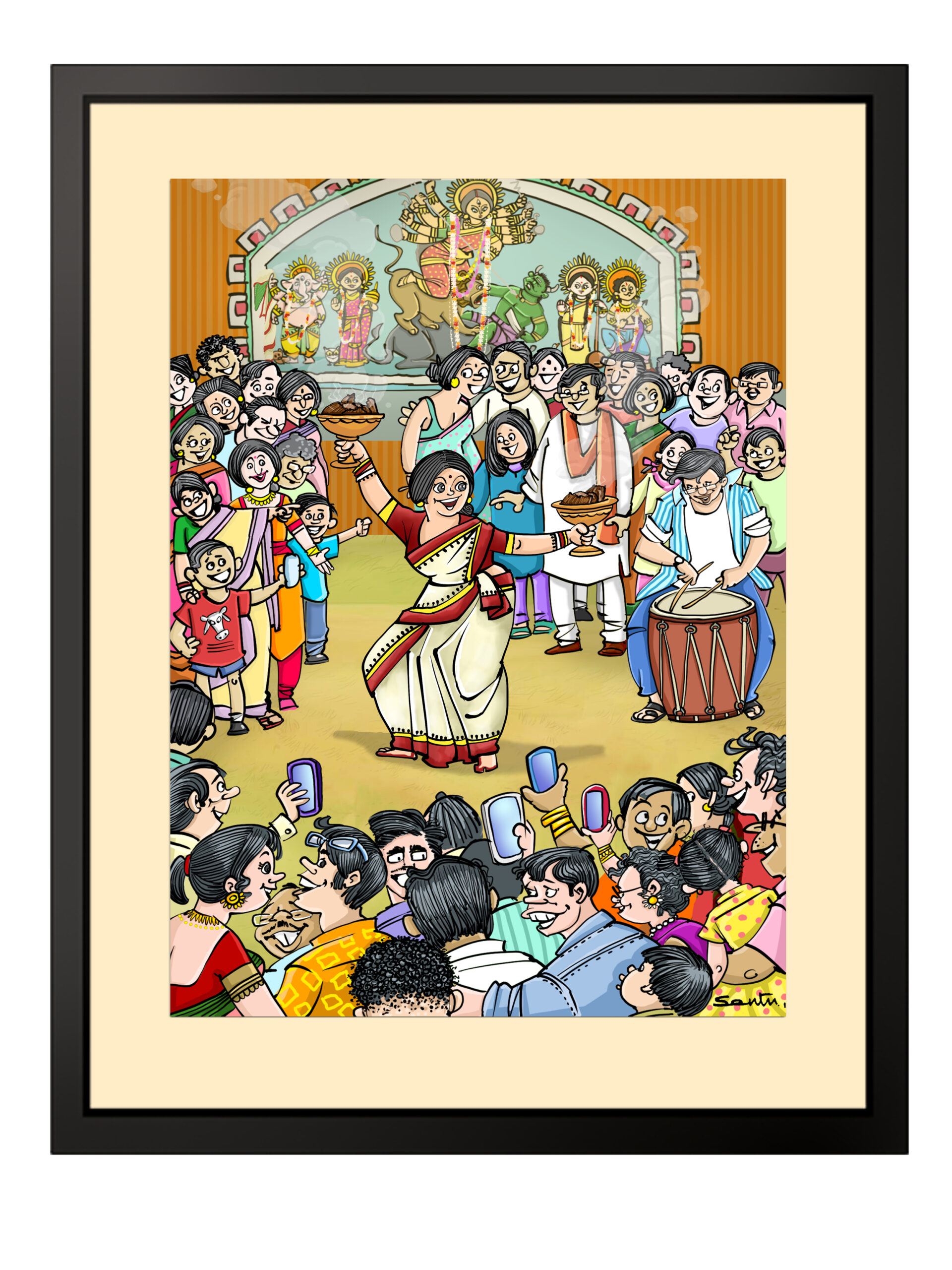
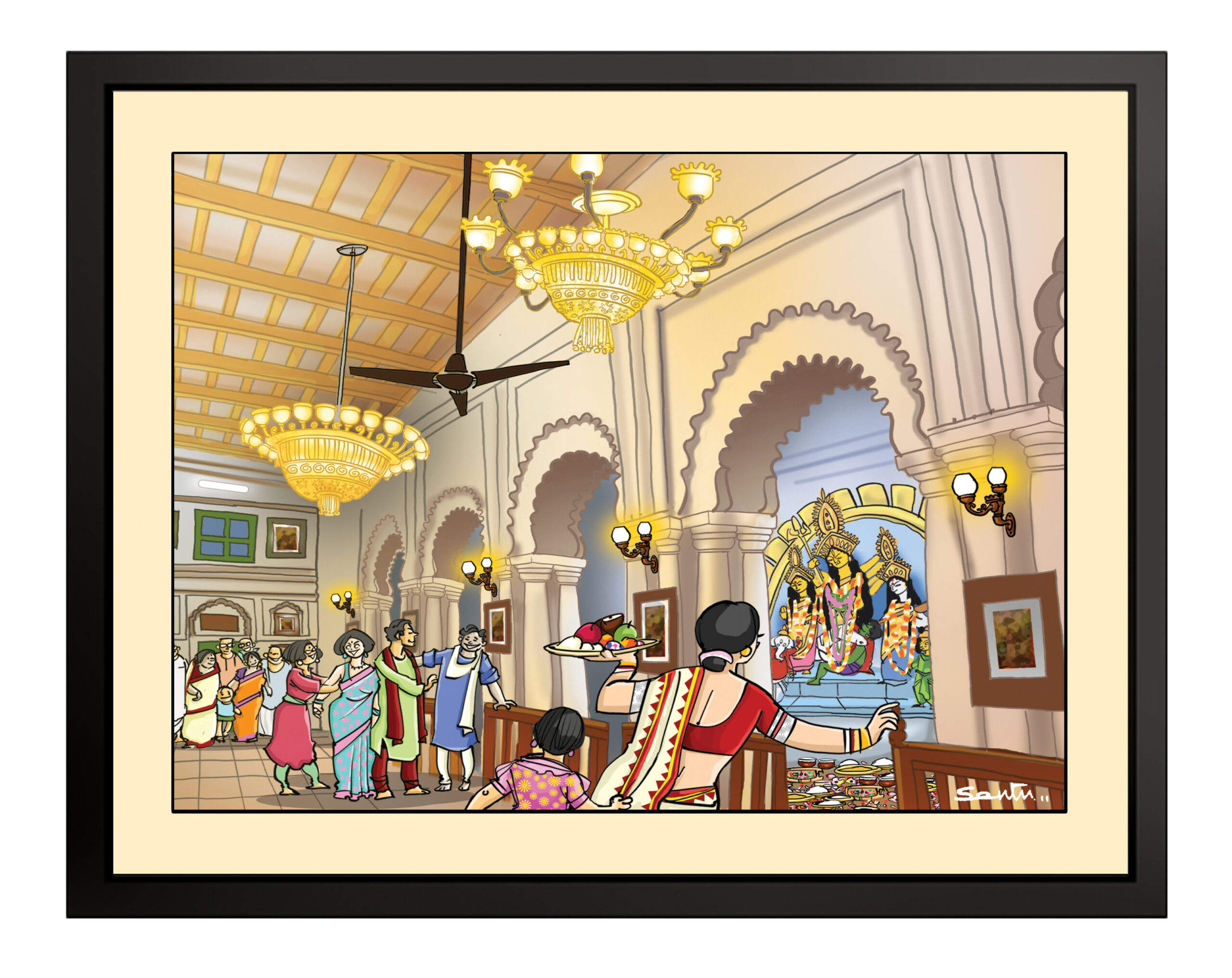
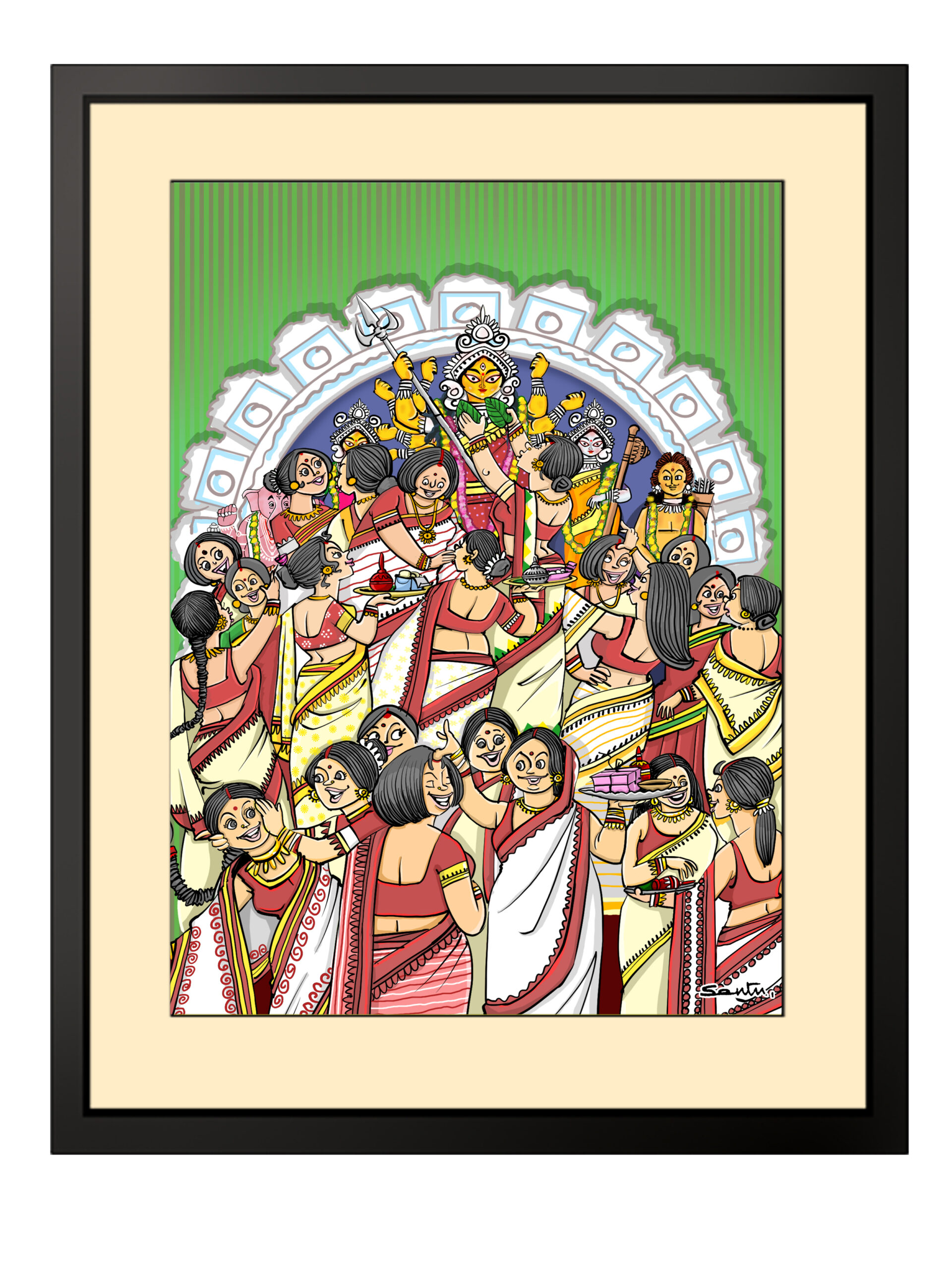
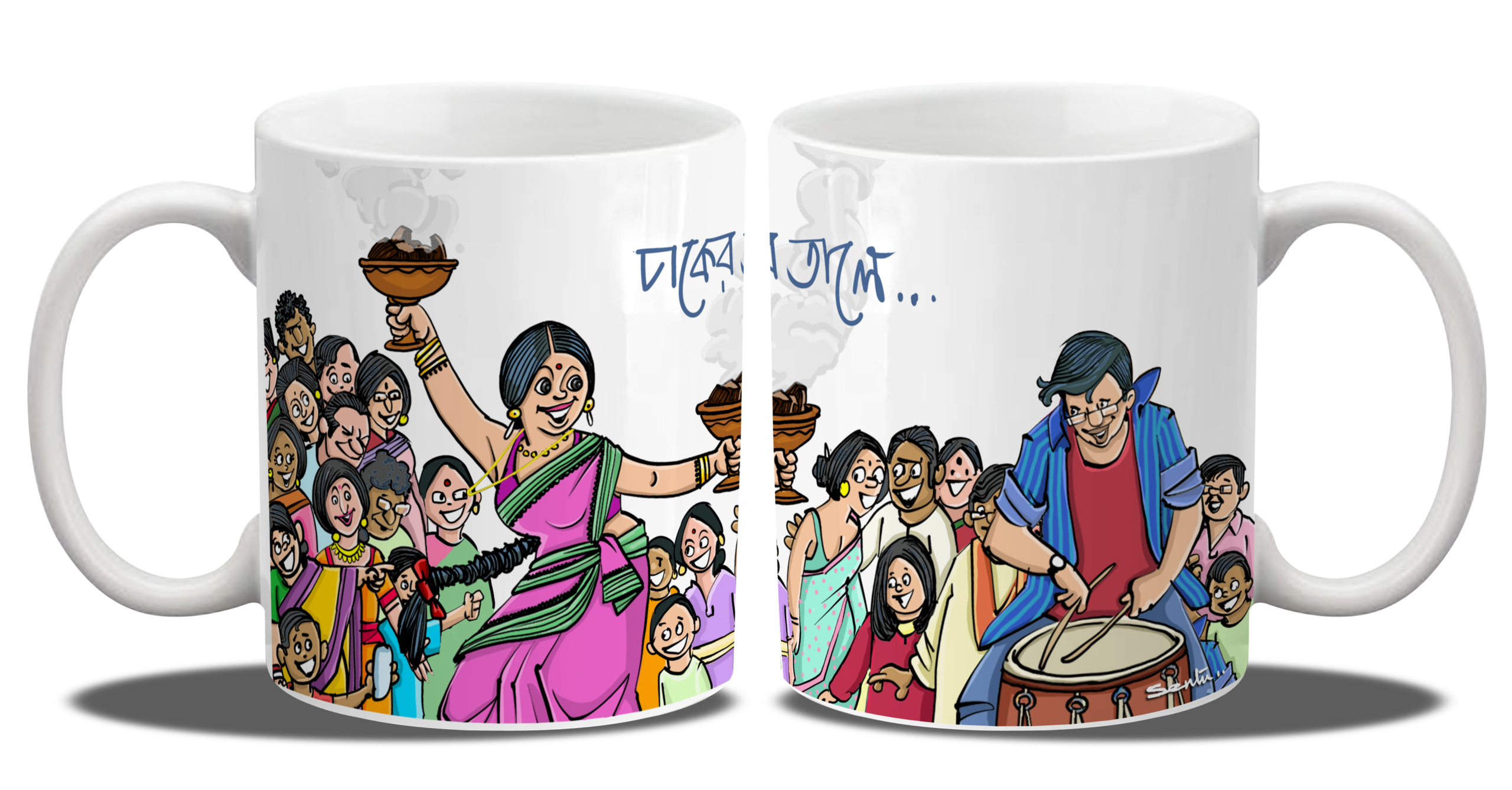
The grandeur of Sovabazar Rajbari, the heritage of Chatu Babu–Latu Babu, the stories of Khelat Chandra Ghosh Bari, the artistic world of Kumartuli, the anticipation of Maa Ashchen, the devotion of Ashtami Aarti, the energy of Dhunuchi Naach, the colours of Sindur Khela and the emotional farewell of Bisorjon — each becomes a part of a larger visual story of Bengal.
Our aim is to capture not only the image of Durga Puja, but its atmosphere, emotion, humour, nostalgia and cultural identity.
Memories You Can Keep:- At Sentoor Kartoon, these stories take different forms.
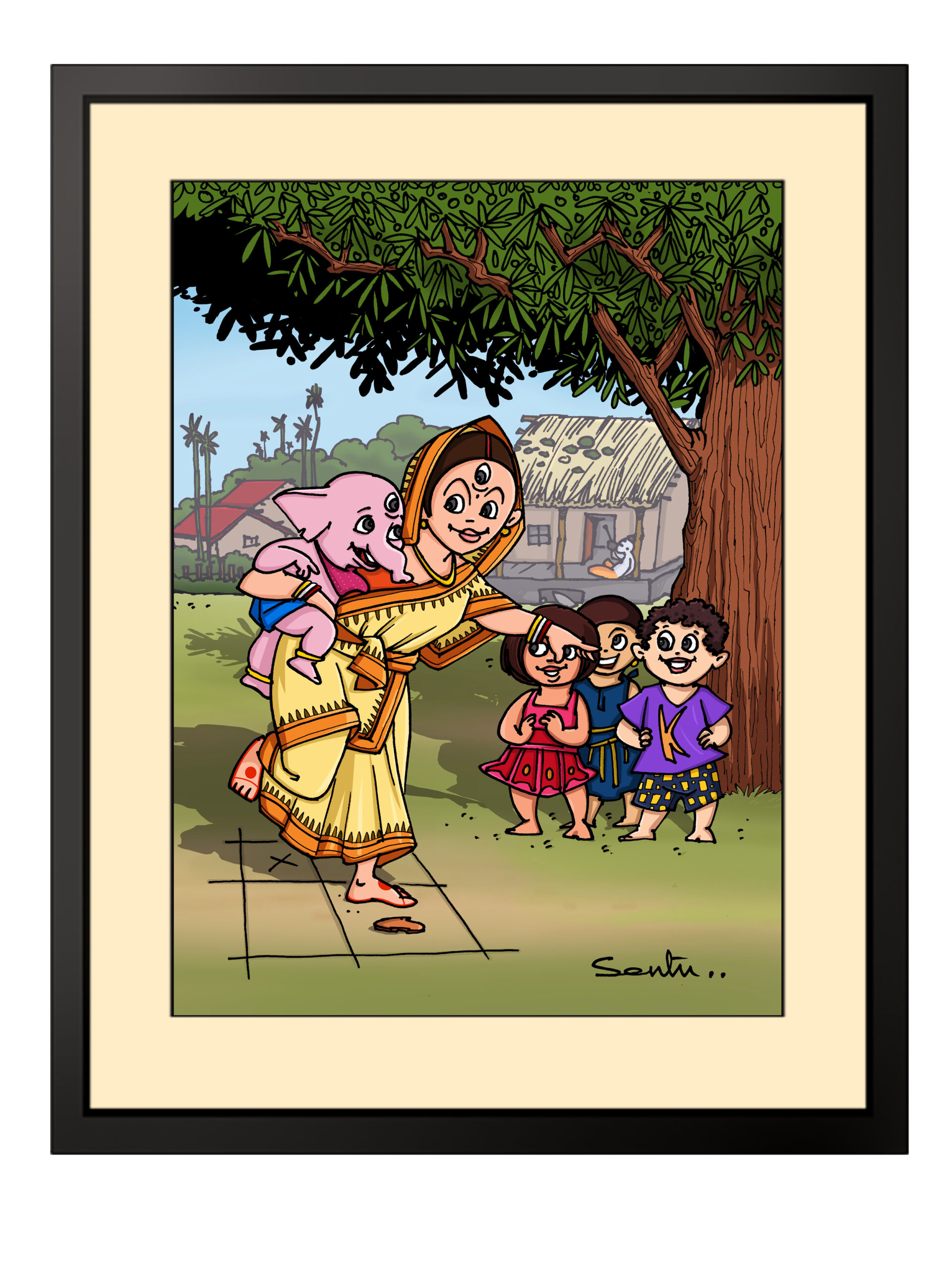
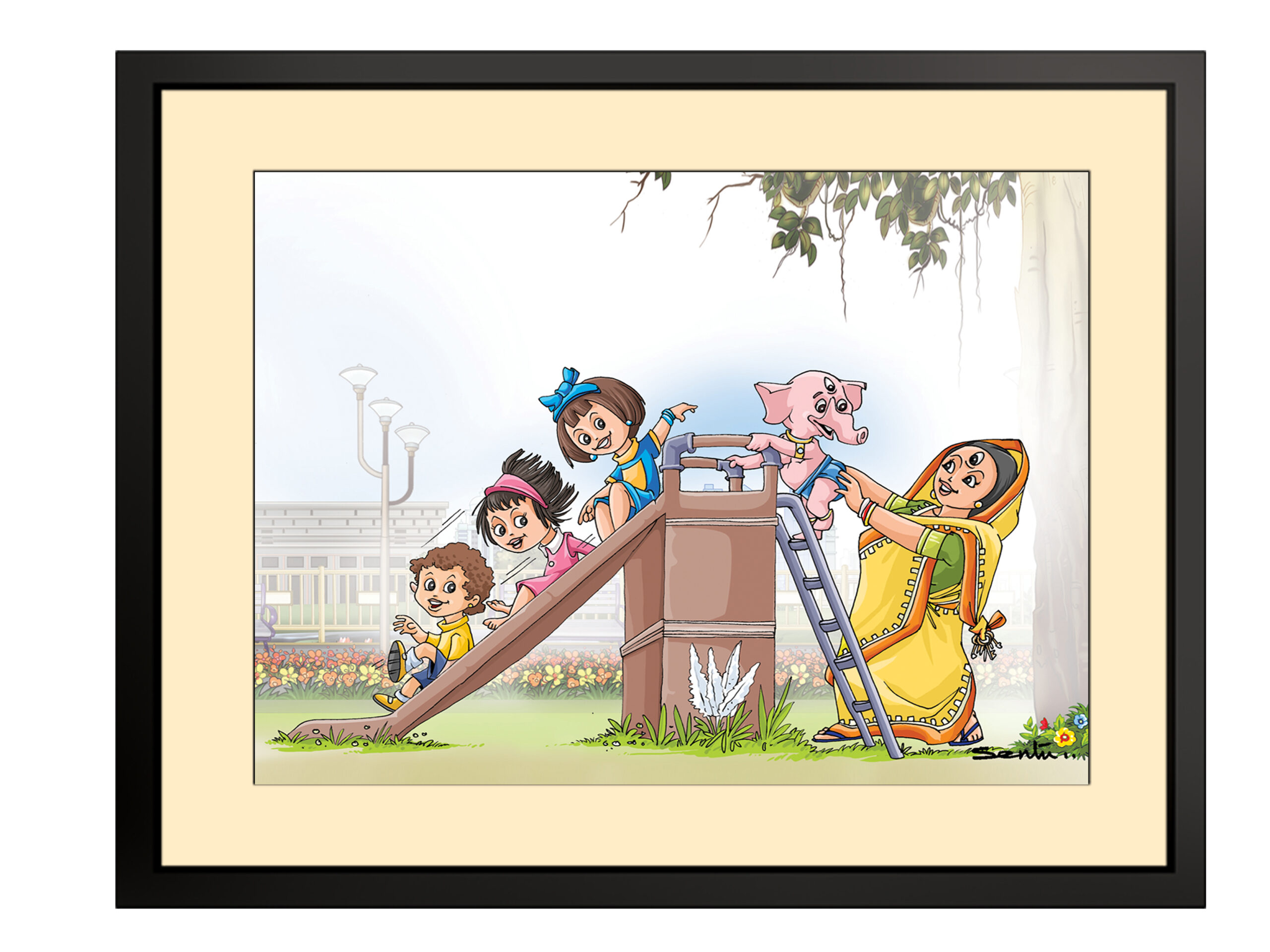
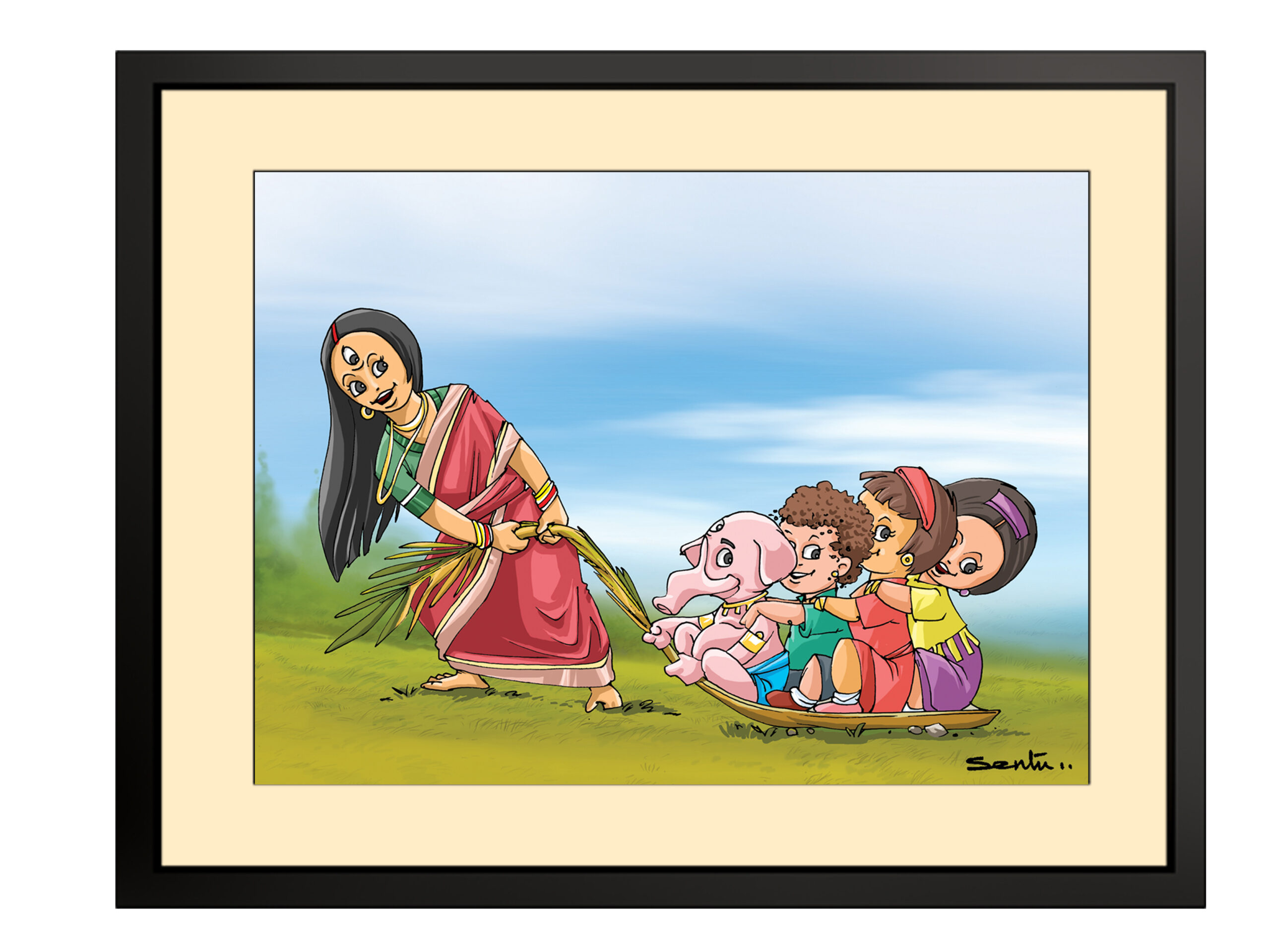
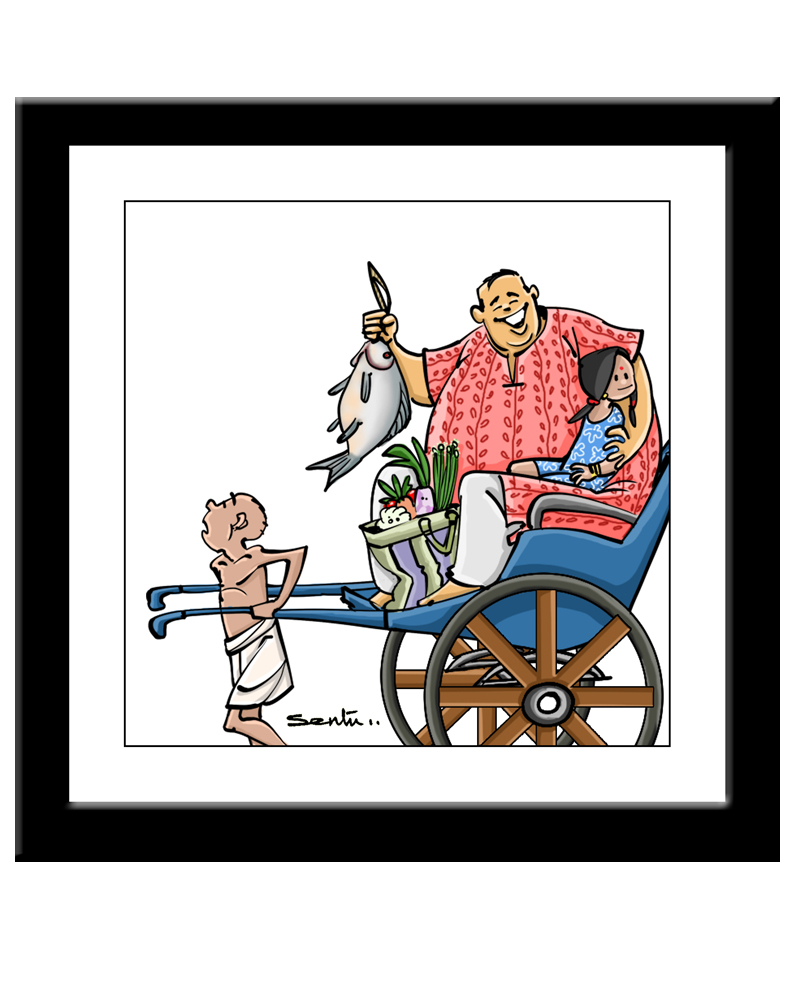
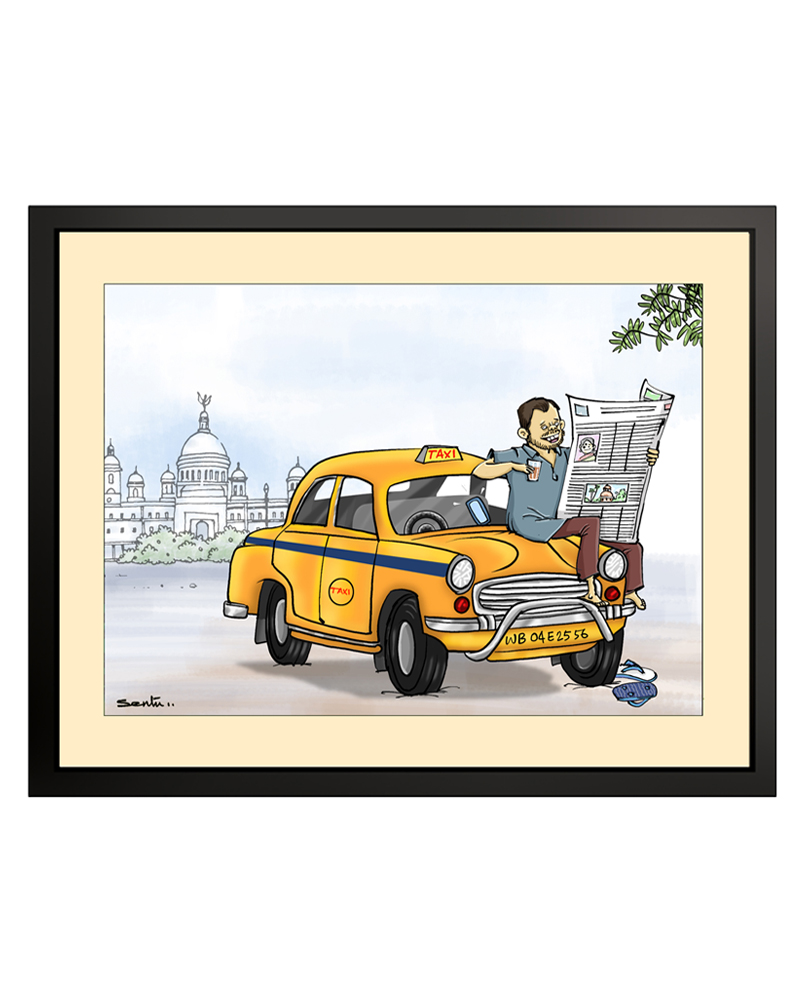
A photoframe can preserve the grandeur of a Puja moment and become part of the decor of a home.
A fridge magnet can turn an everyday corner of the kitchen into a small reminder of Bangaliana and Puja.
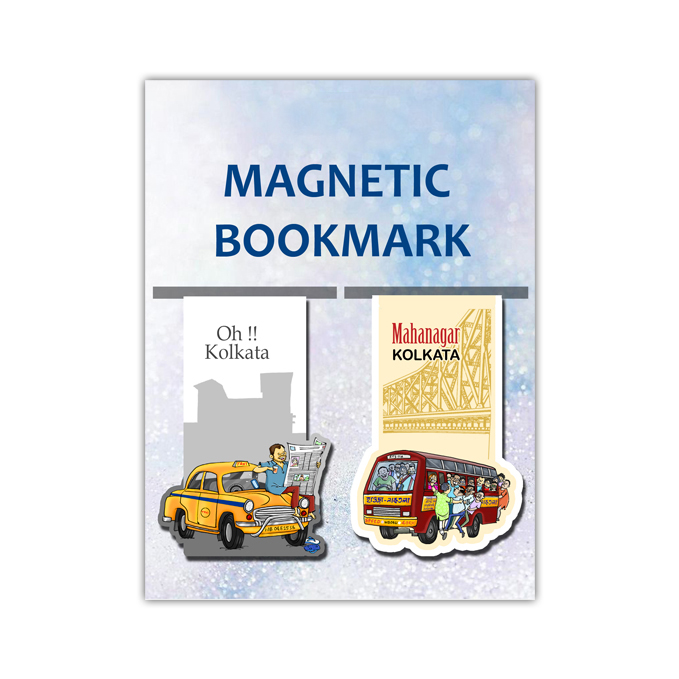
A bookmark can carry the image of Maa into the pages of a book, quietly bringing a piece of the festival into everyday life.
A tote bag can take Bengali art beyond the streets of Kolkata — travelling with its owner to offices, universities, cafes, journeys and cities far away.
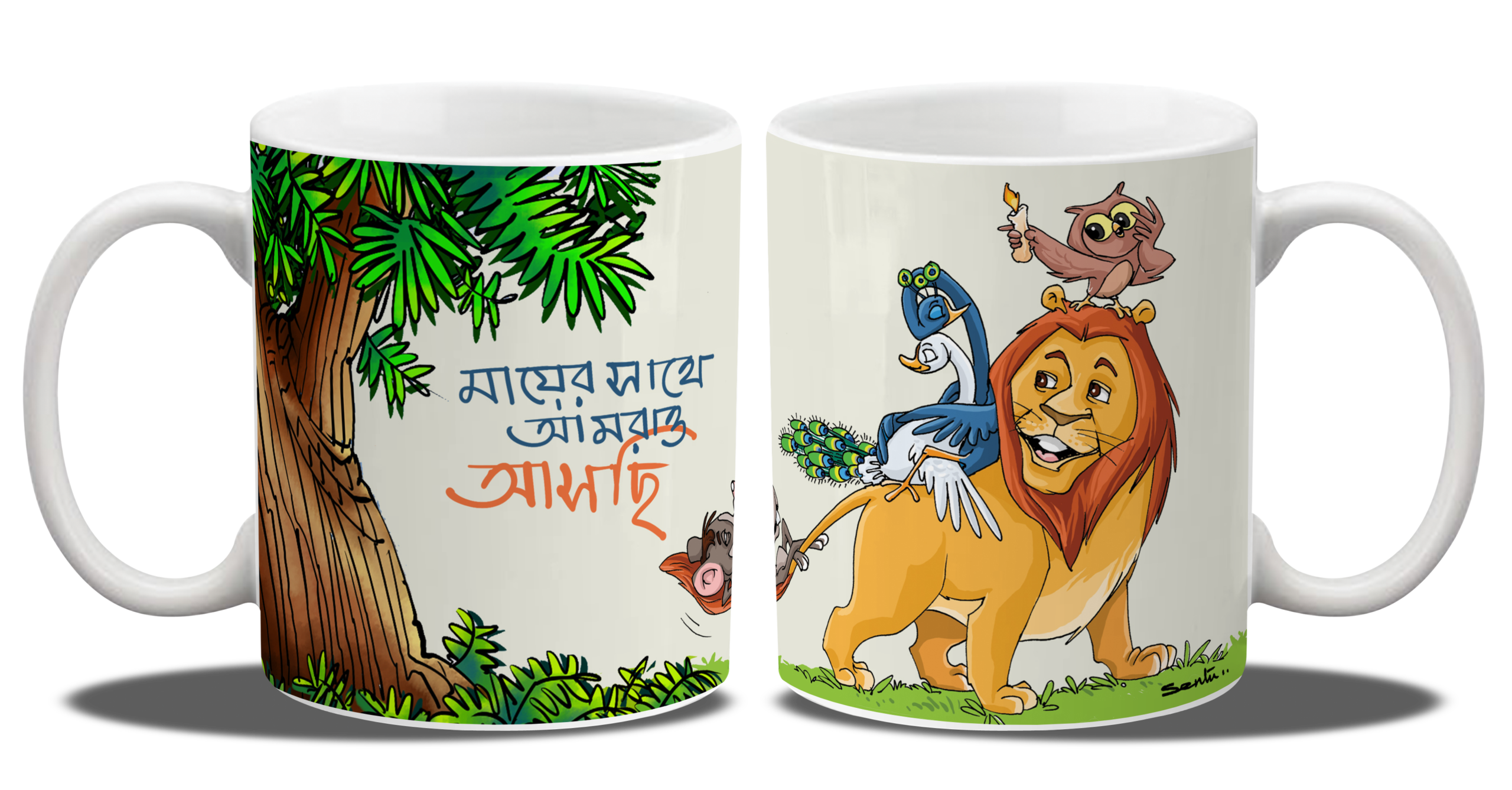
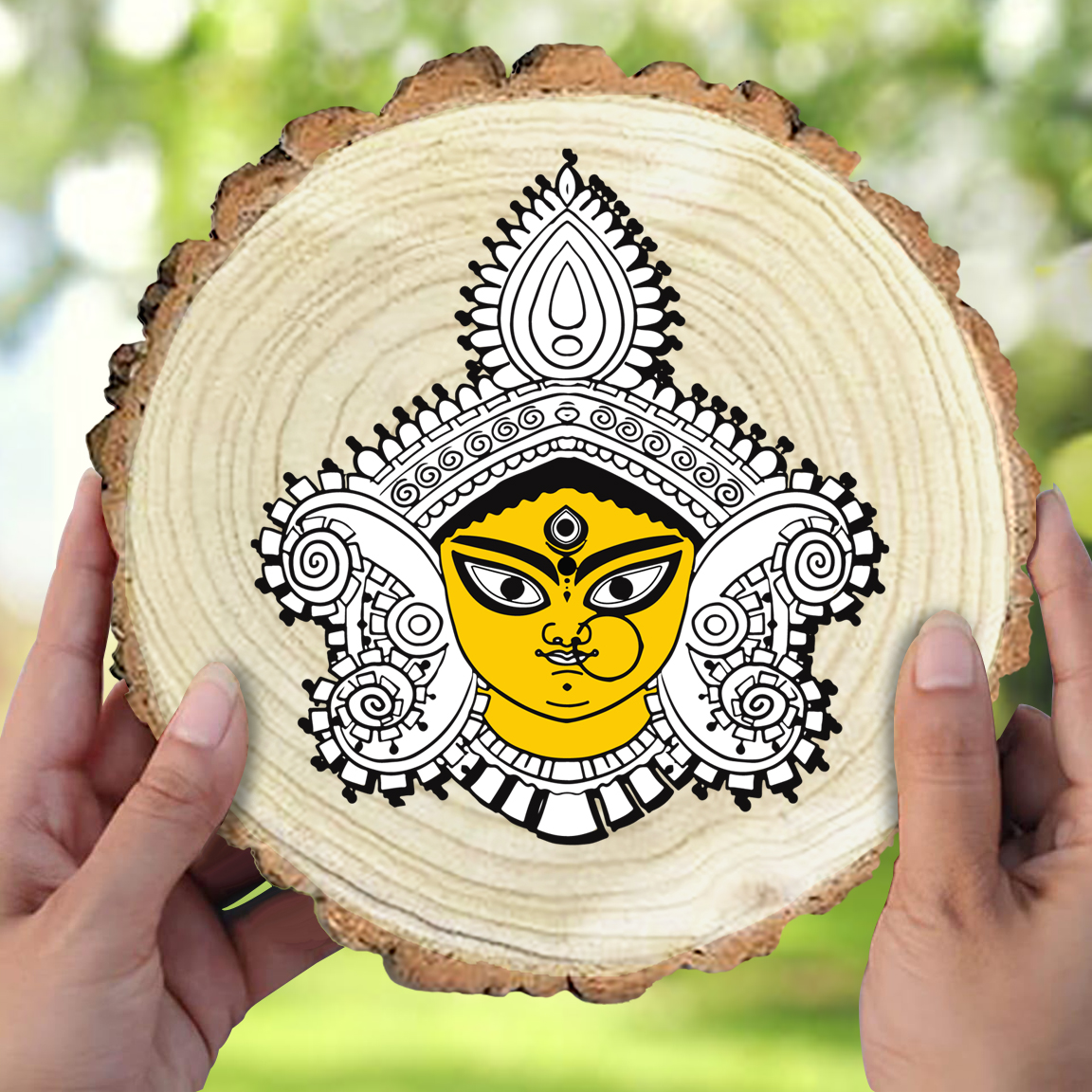
Our wooden logs, wooden Durga faces and other artistic keepsakes bring the textures and visual language of Puja into homes in a more tangible way.
And our art pieces allow people to hold onto individual moments — whether it is Maa's face, a Bonedi Bari, a traditional ritual, an iconic Puja scene or one of the many characters that make the festival uniquely Bengali.
Each object becomes a small keeper of memory
From Tradition to Contemporary Art:-
Sentoor Kartoon also looks at Durga Puja through a contemporary and playful lens.
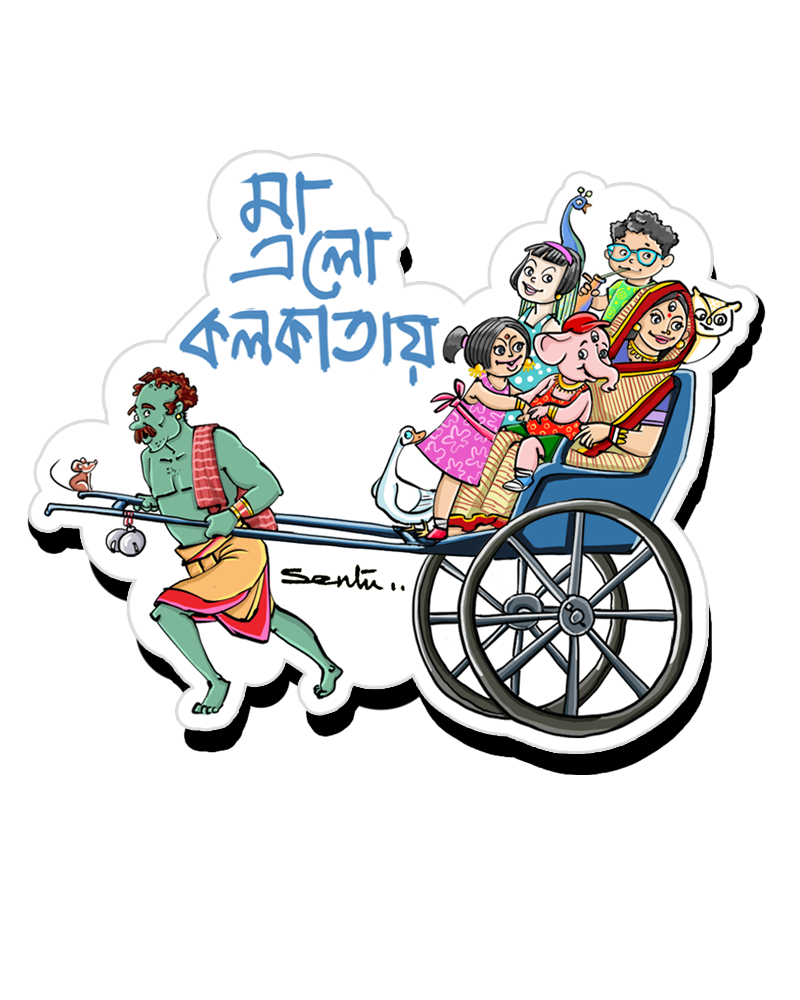
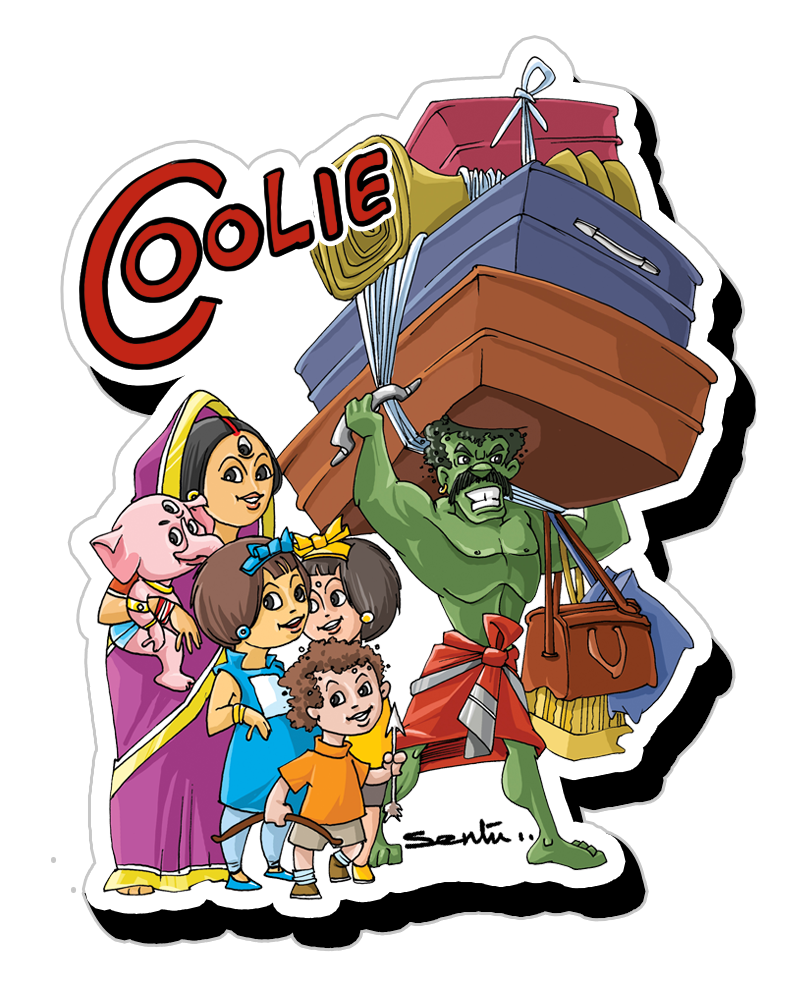
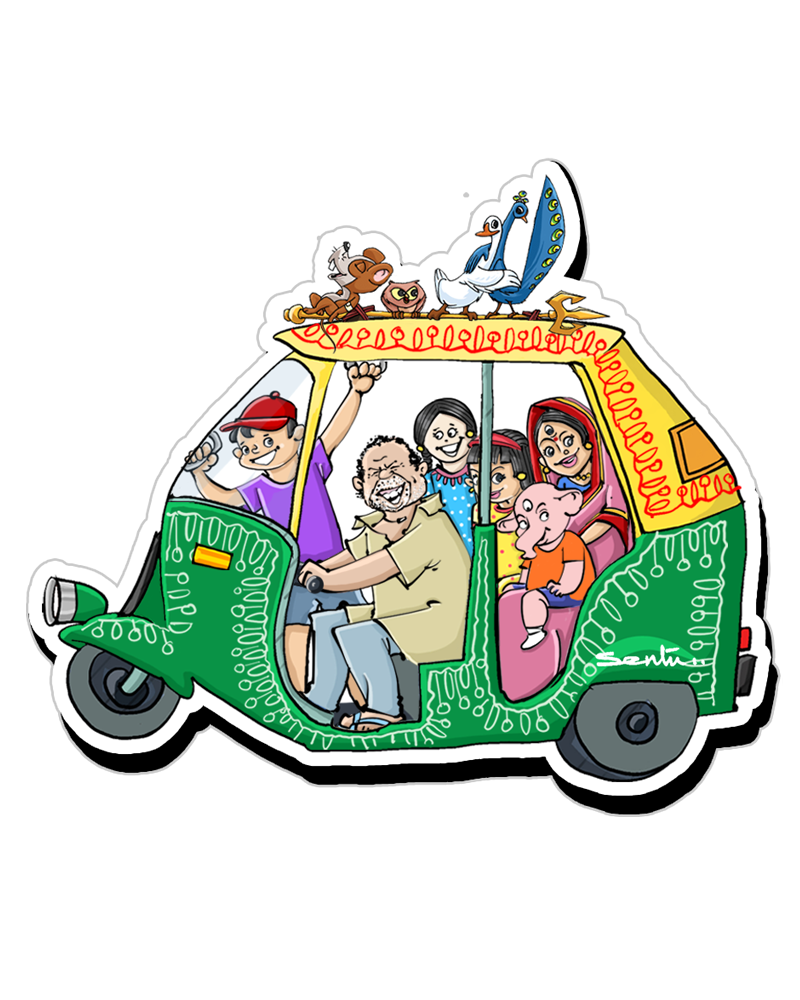
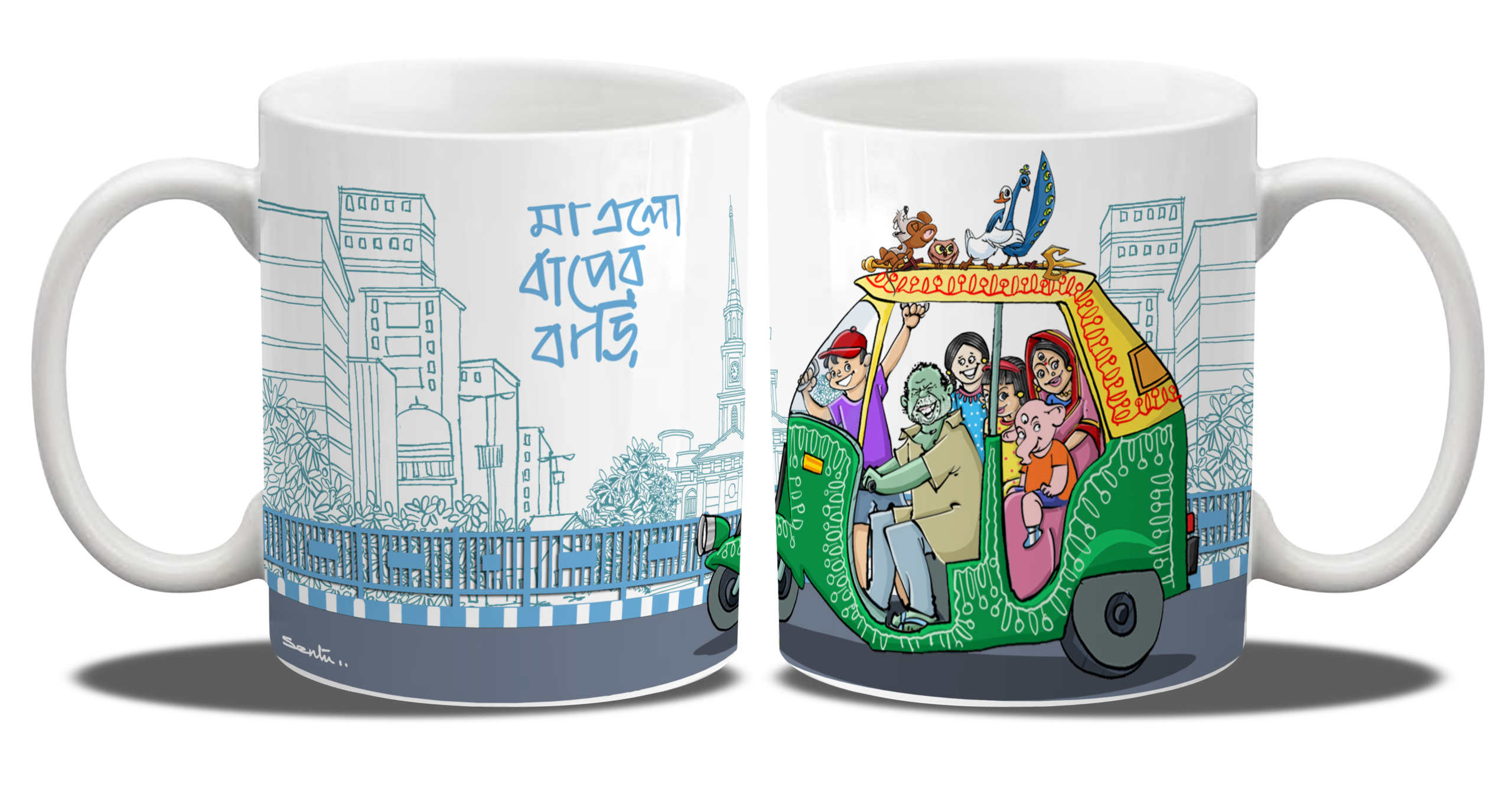
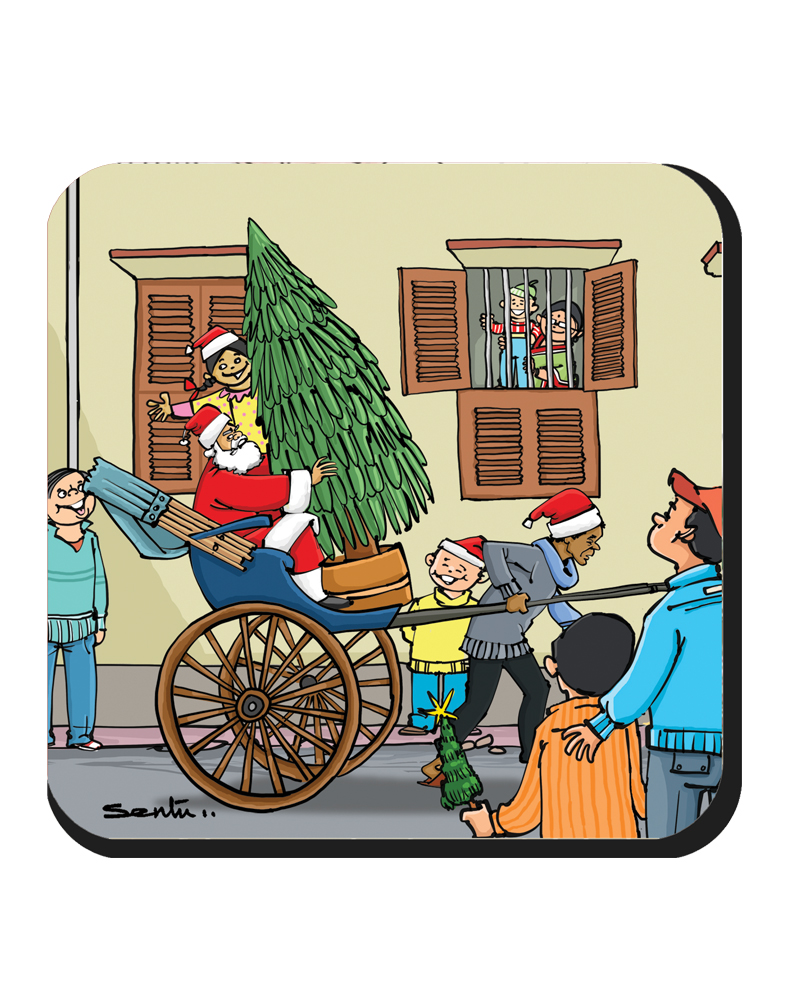
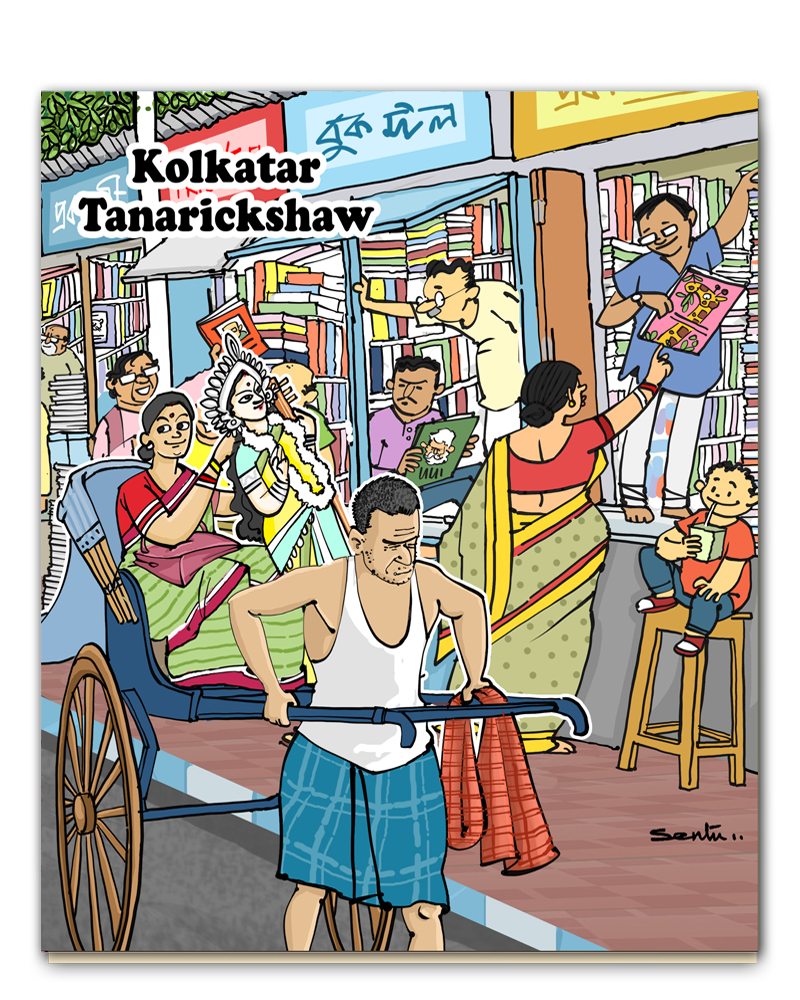
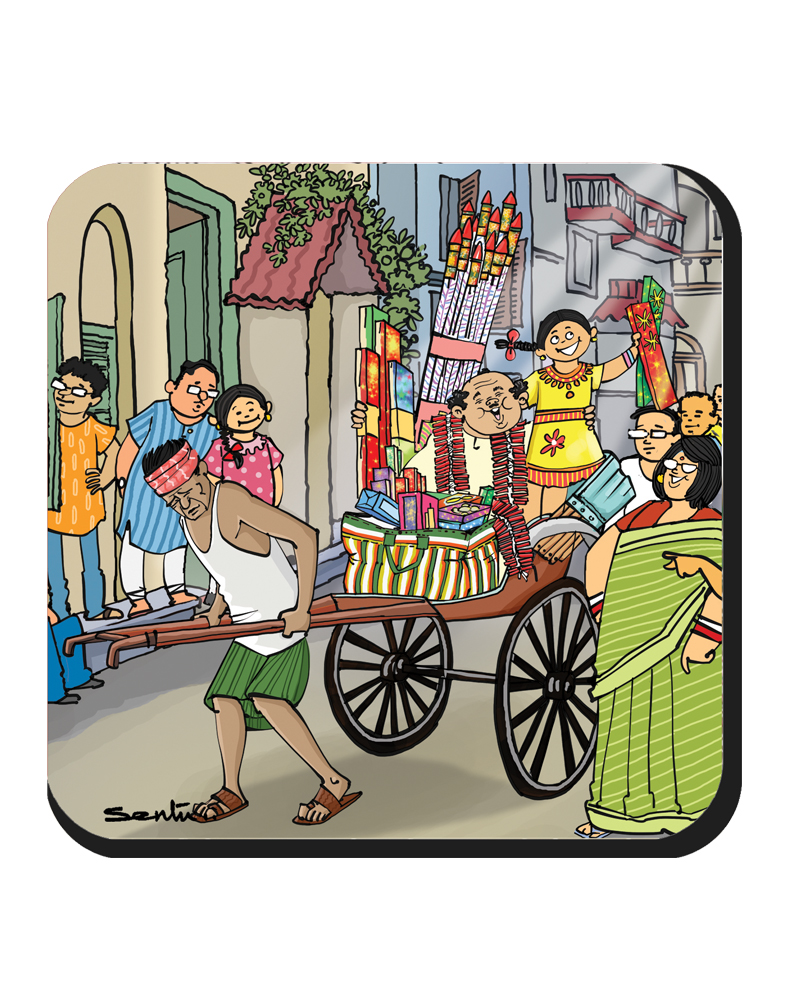
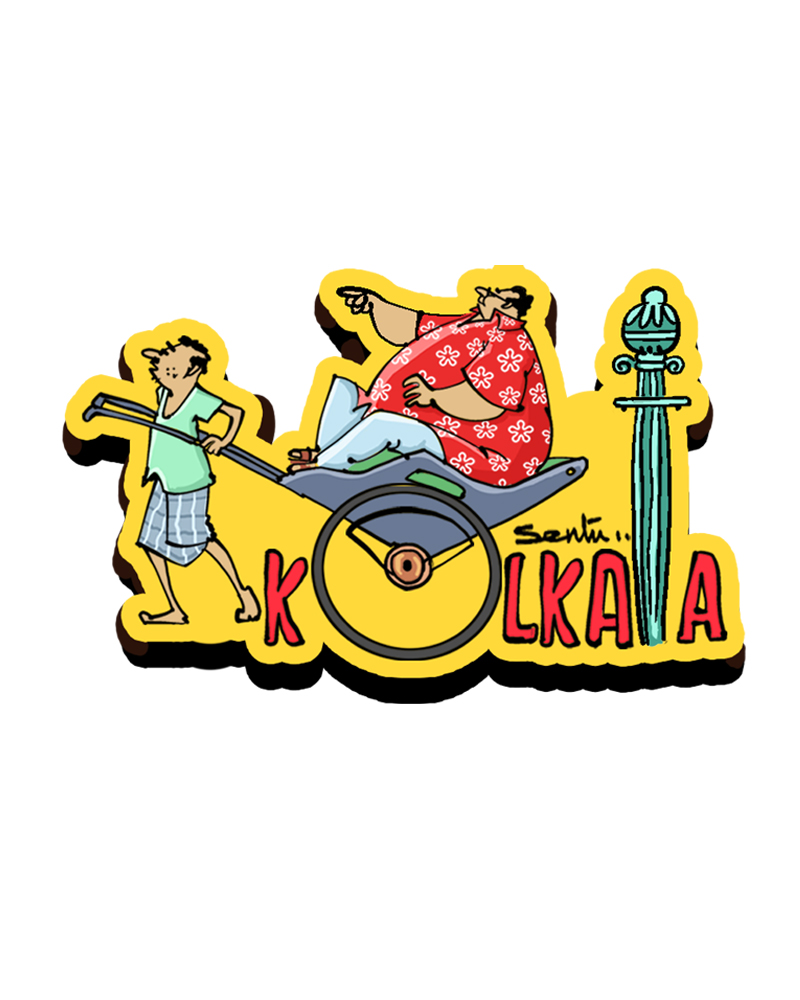
The familiar characters of the festival can take on unexpected identities — Asur as a coolie, Asur driving an auto, Asur pulling a tana-rickshaw, or Durga and her family appearing in imaginative interpretations.
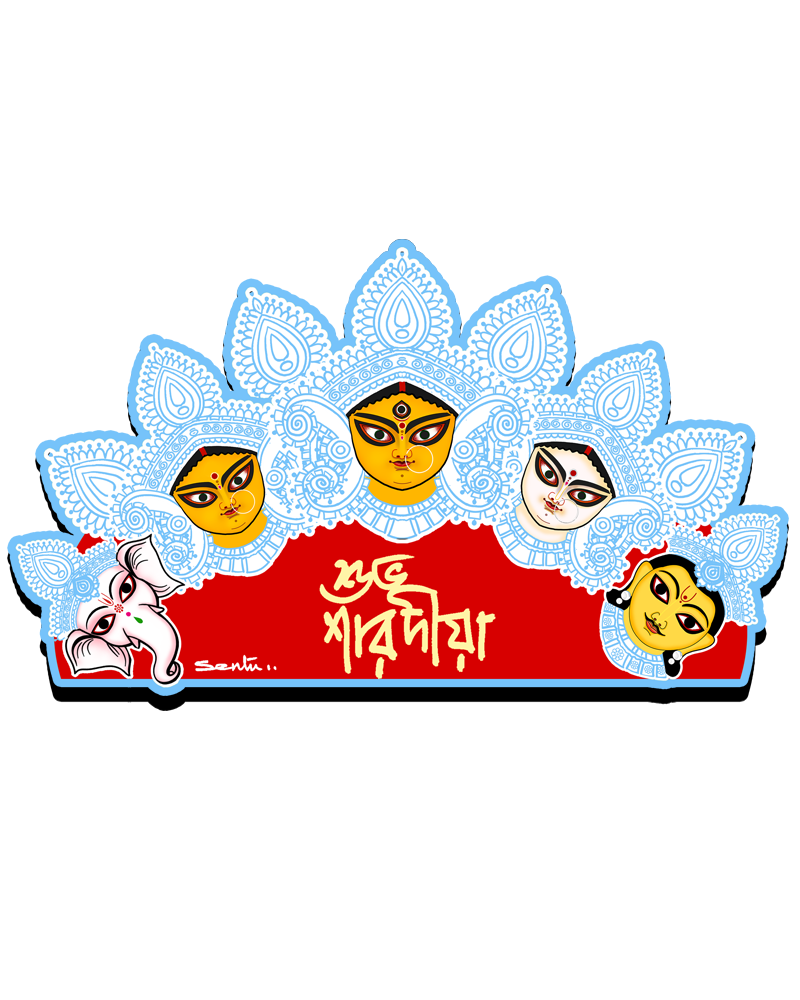
There are Dhunuchi dancers, Chhau-inspired masks, Durga faces, her Bahan, the five-headed Sharobosav and countless other visual interpretations.
Through these concepts, tradition is not kept frozen in the past.
It is reimagined, illustrated and carried forward.
This is an important part of what Sentoor Kartoon represents — the ability to look at familiar Bengali culture with affection, imagination and a contemporary artistic language.
At Sentoor Kartoon, our endeavour is to give those memories a form — through photoframes, bookmarks, fridge magnets, wooden logs, tote bags and many other expressions of art inspired by Durga Puja and Bengali culture.
So whether you are celebrating Puja in Kolkata, returning home after years away, experiencing it with your family, or missing Bengal from somewhere far away, there is always a way to keep a little of that feeling close.
Because Durga Puja is not only something we celebrate. It is something we carry within us.
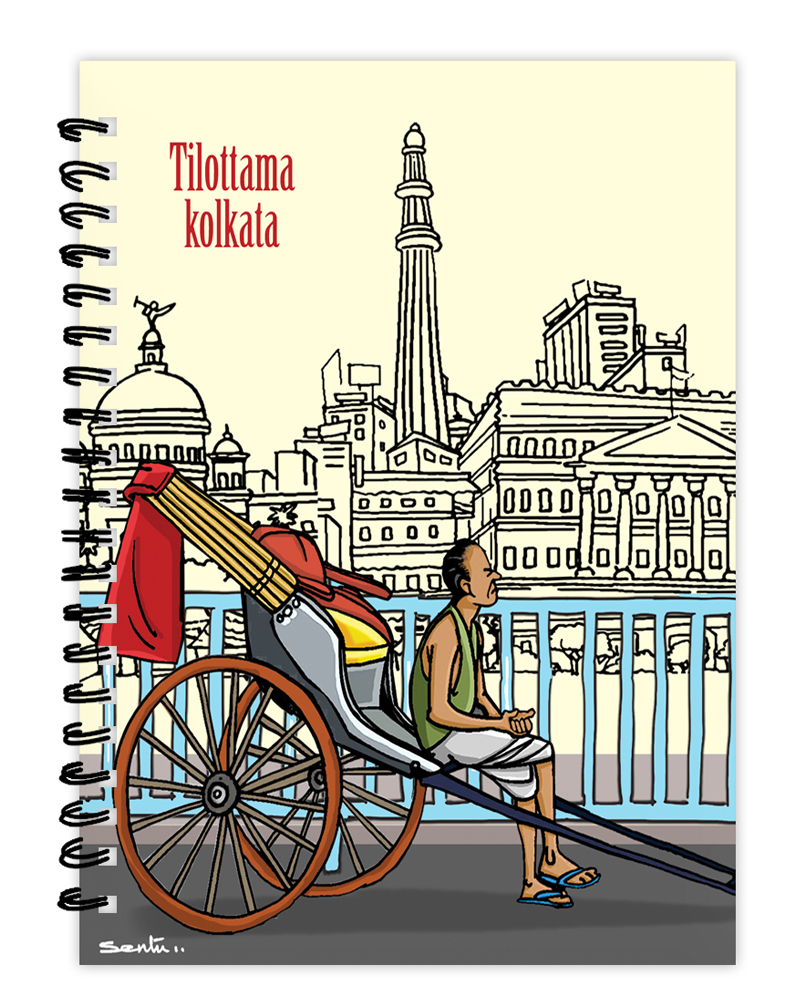
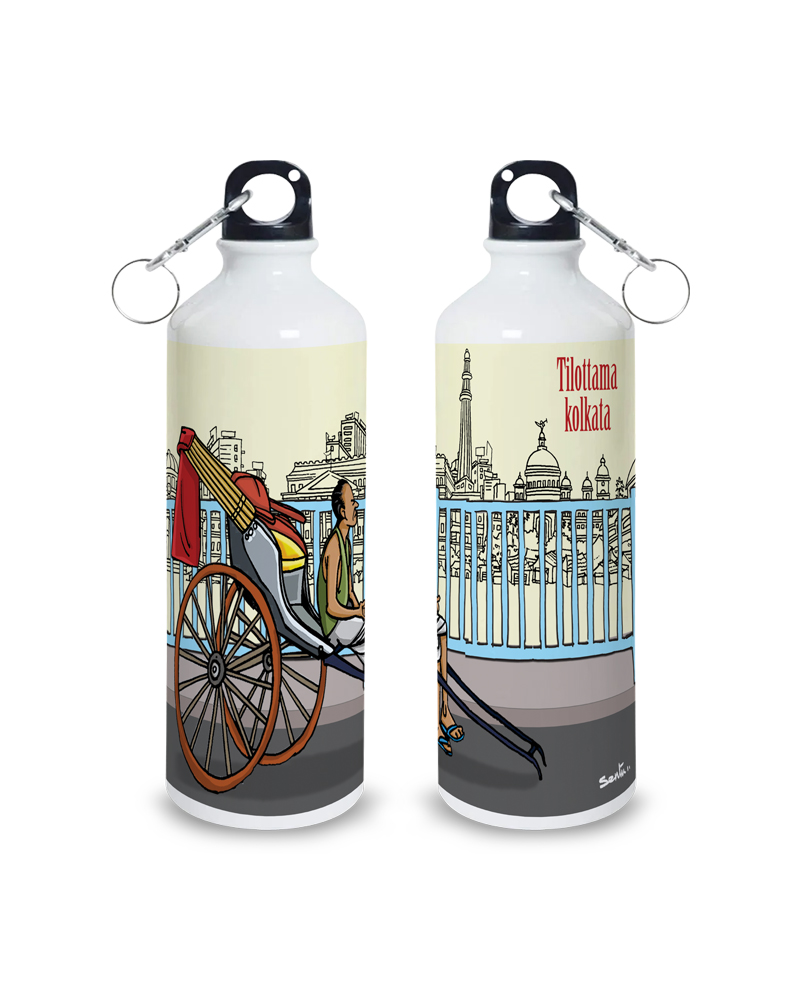
Tana Rickshaw: A Fading Memory of Old Kolkata
There was a time when Kolkata moved at a different pace.
Before the rush of app cabs, buses, and endless traffic, some of the narrow lanes of Old Kolkata had a very different sound—the slow movement of wooden wheels, the footsteps of a rickshaw puller, and the quiet rhythm of a tana rickshaw.
Today, the hand-pulled rickshaw is no longer simply a means of transport. For many of us, it has become a piece of Kolkata's nostalgia.
More Than Just a Rickshaw:
A tana rickshaw carried more than passengers.
For the person pulling it, it carried an entire household.
Behind every rickshaw puller was often a family depending on his daily earnings—the meals on the table, the children's education, the rent, and the small hopes of a better tomorrow.
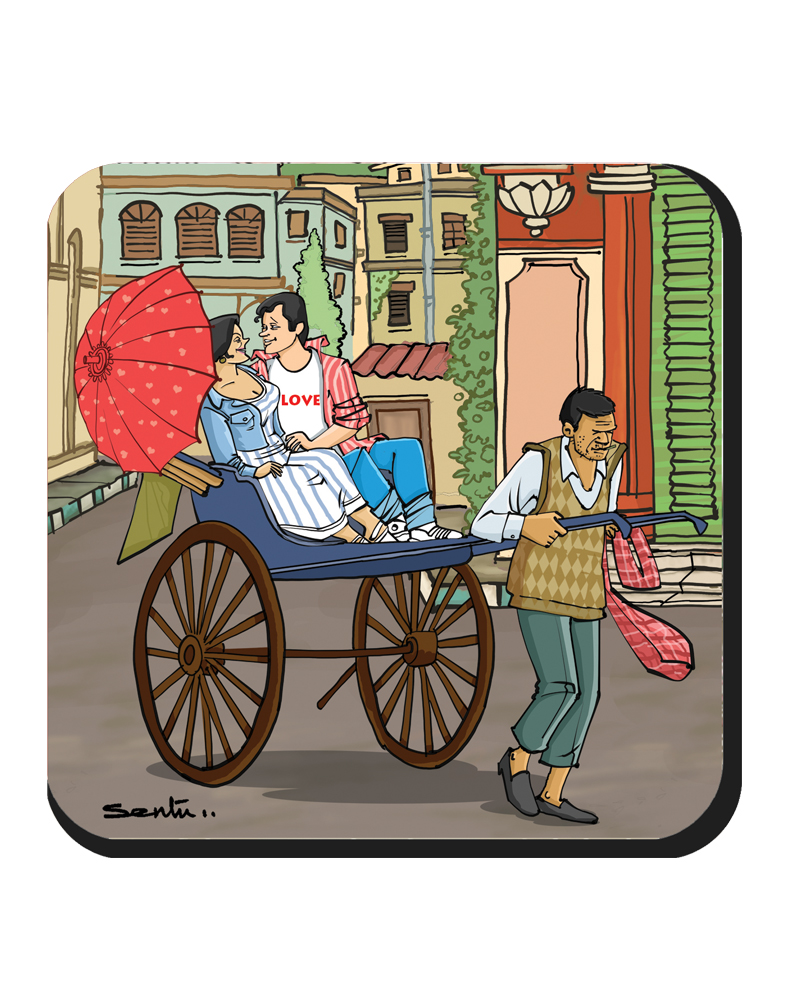
And for those who travelled in it, the rickshaw was also once a part of everyday life.
People depended on it to reach their homes through narrow lanes, to carry elderly family members, to return from markets, or simply to travel through parts of the city where larger vehicles could not go.
In its own quiet way, the tana rickshaw connected two kinds of dependence—the livelihood of one family and the everyday needs of another.
The Kolkata We Remember
Old Kolkata was never just about grand buildings and famous landmarks.
It lived in its narrow lanes, old houses, neighbourhood shops, tea stalls, tramlines, street food, and the people who made the city move.
The tana rickshaw belonged to that Kolkata.
Its wooden frame, worn-out wheels, simple hood and slow movement became part of the visual identity of the city's older neighbourhoods.
Today, seeing one can instantly bring back memories of a Kolkata that felt slower, quieter and more personal.
A Difficult Livelihood
But nostalgia should not make us forget the reality behind the picture.
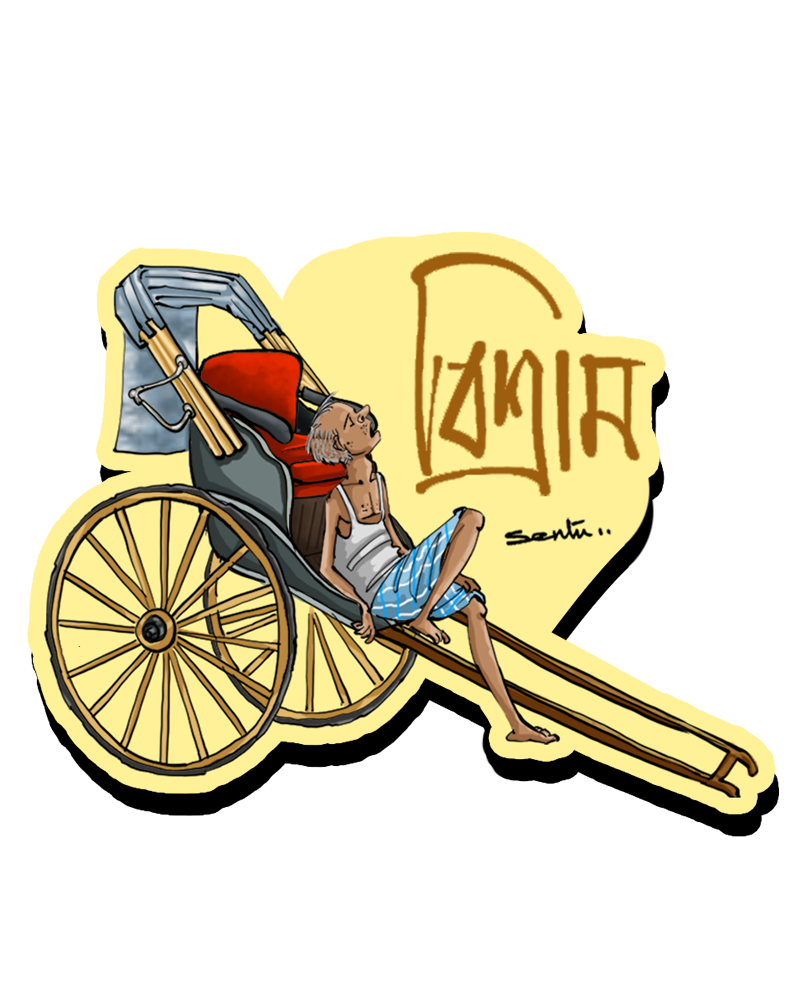
Pulling a rickshaw was never easy work.
Every journey meant physical labour. Every passenger meant another stretch of road to cover. And every day's earning mattered to a family waiting at home.
While the rickshaw may appear romantic in an old photograph, the life of the person pulling it was often anything but easy.
That is what makes its story more meaningful.
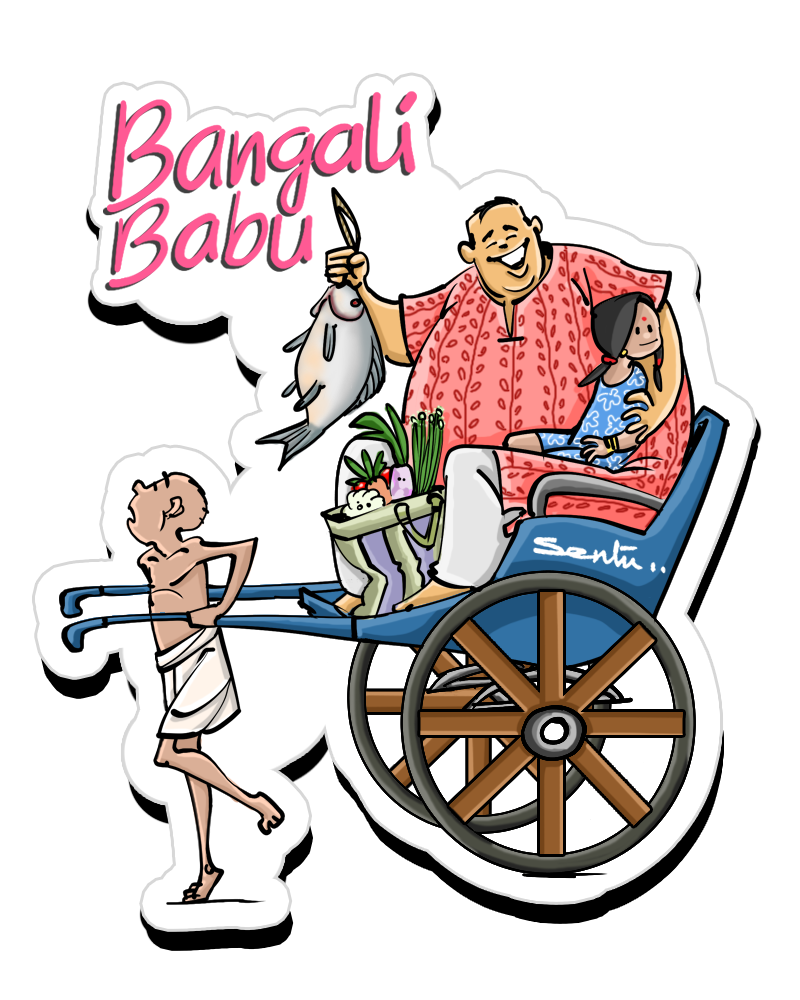
The tana rickshaw was not merely an object from Kolkata's past. It was someone's livelihood, someone's responsibility, and someone's daily struggle.
## From Everyday Life to Nostalgia
As Kolkata changed, transportation changed with it.
Modern vehicles gradually replaced many traditional forms of transport. The familiar sight of hand-pulled rickshaws became less common, and the sound of their wheels slowly disappeared from many streets.
What was once ordinary became extraordinary.
What was once everyday became something we photograph.
And what was once a livelihood became a symbol of Old Kolkata.
Perhaps that is the strange journey of nostalgia—we often realise the value of ordinary things only after they begin to disappear.
Remembering the People Behind the Wheels
When we look back at the tana rickshaw today, we should remember more than its vintage appearance.
We should remember the people.
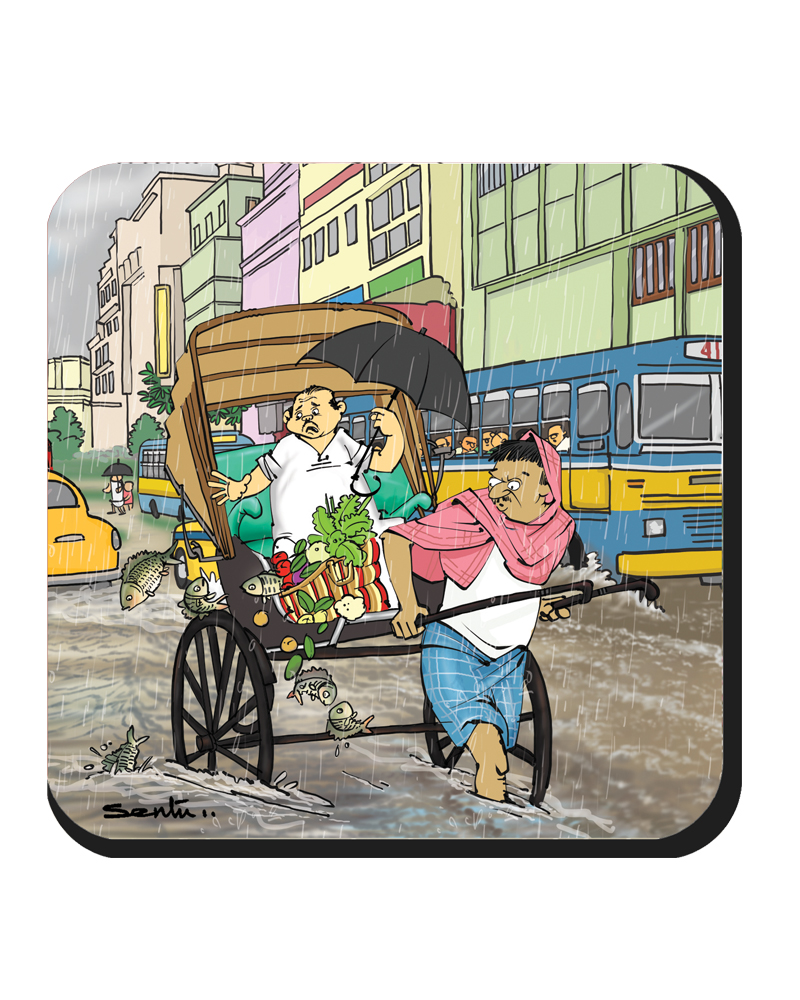
The men who pulled them through rain and scorching summer afternoons.
The families whose lives depended on their earnings.
The passengers who depended on them to get through the city's narrow streets.
And the generations of Kolkata who grew up seeing them as an inseparable part of their neighbourhoods.
The tana rickshaw may slowly be disappearing from Kolkata's streets, but its story remains woven into the city's history.
## When Memories Become Art
Through his art, Cartoonist Sentu has begun capturing the forgotten journeys of Old Kolkata—one person, one life, and one story at a time.
His work does more than recreate the appearance of a bygone city. It attempts to preserve the human emotions, everyday struggles, quiet joys, and lived experiences that once filled its streets.
A tana rickshaw is not merely a wooden frame and two wheels in his artwork. It becomes the story of the person pulling it, the family waiting for him at home, and the passenger whose journey briefly intersects with his.
With a distinctive blend of realism and artistic expression, Cartoonist Sentu transforms fragments of Kolkata's past into visual memories—allowing ordinary lives that might otherwise disappear from history to be remembered.
Through every stroke, he is not simply drawing Old Kolkata; he is preserving the lives that once moved through it.
Because sometimes, the most powerful stories of a city are not found in its monuments, but in the lives of the people who quietly carried it forward.
### A Little Piece of Old Kolkata
At Sentoor Kartoon, we believe Kolkata's heritage lives not only in monuments, but also in the everyday stories, objects, streets and people that shaped the city.
The tana rickshaw is one such story.
Today, it may be a symbol of nostalgia.
But once, it was simply life moving forward—one pull, one passenger, and one family at a time.
And perhaps that is why, when we see an old tana rickshaw today, we don't just see a vehicle.
We see a little piece of the Kolkata we once knew.
The Haunted Pages of Kolkata: A Journey Through Nostalgia & Horror
Kolkata is a city where history lives in every old building, narrow lane and yellowed book. But some places carry a different atmosphere—one filled with mystery, whispers and stories that refuse to disappear.
They carry an atmosphere that is difficult to explain—stories of abandoned rooms, mysterious footsteps, unexplained shadows, and buildings that seem to remember everything that happened inside them.
For lovers of vintage books, Kolkata’s nostalgia becomes even more fascinating when history and horror meet.
Imagine opening an old vintage book at midnight, its pages yellowed with age, and discovering a horror story set in a place you know.
Suddenly, the horror feels much closer.
## When Kolkata’s Heritage Turns Haunted
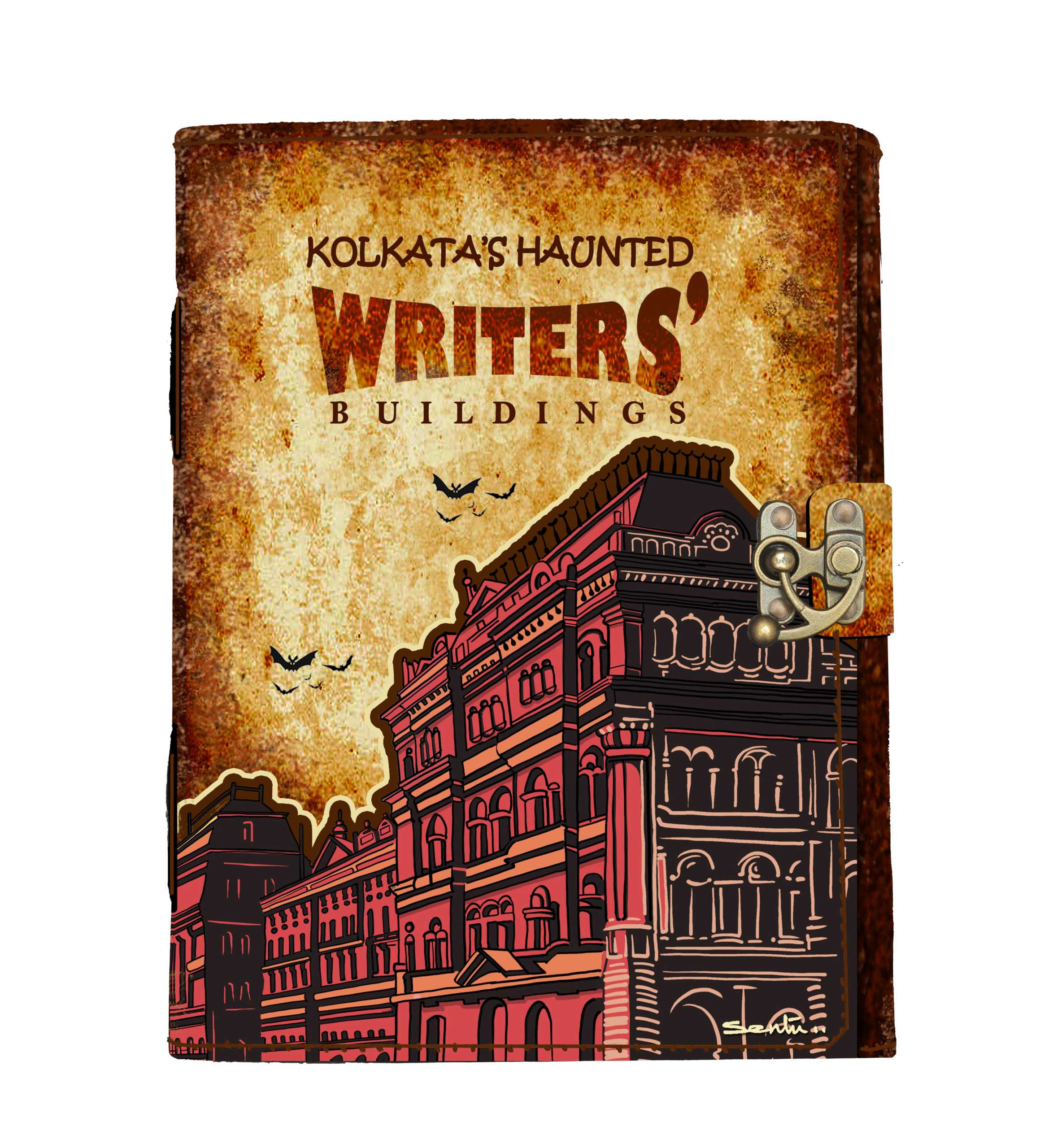
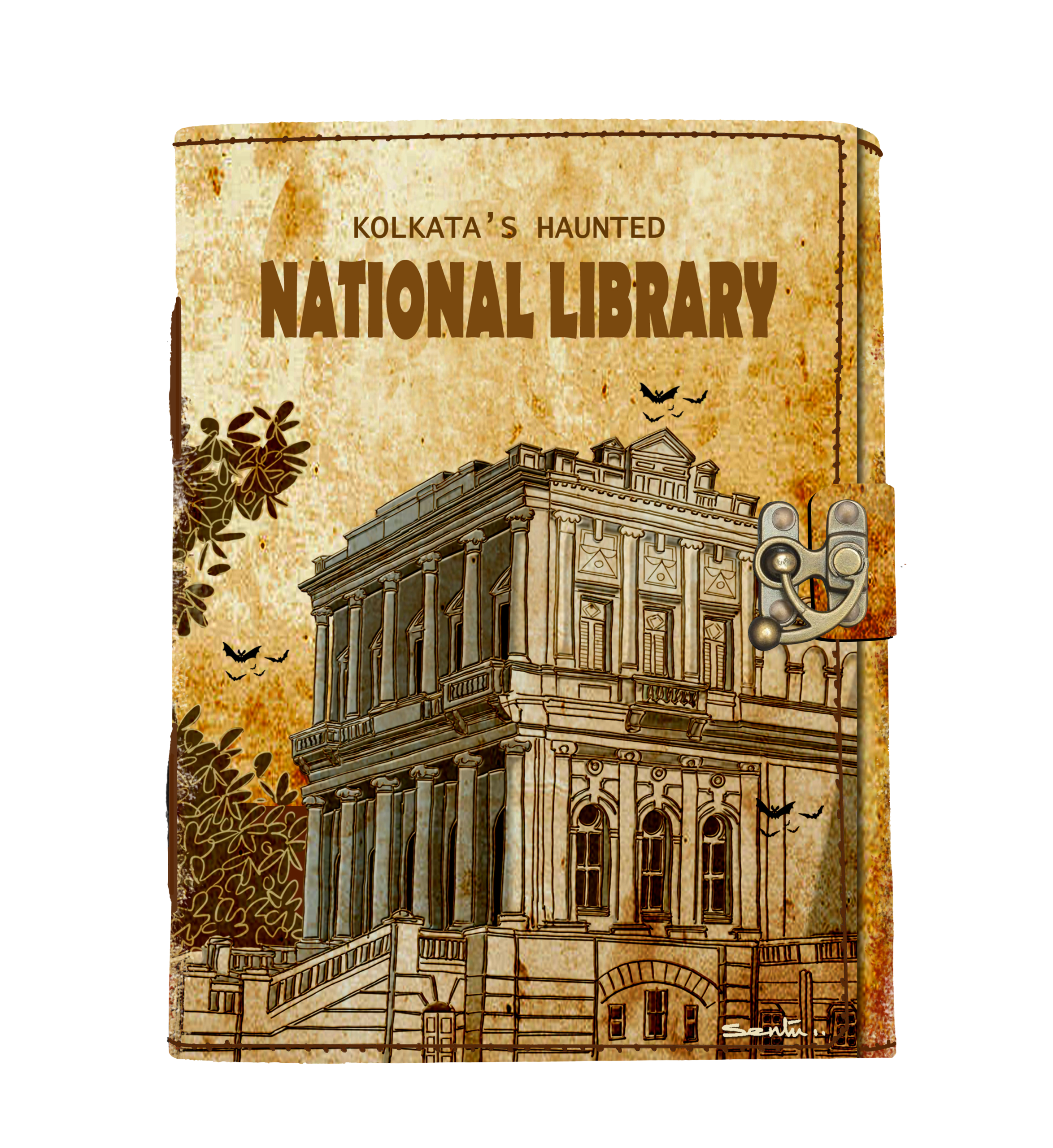
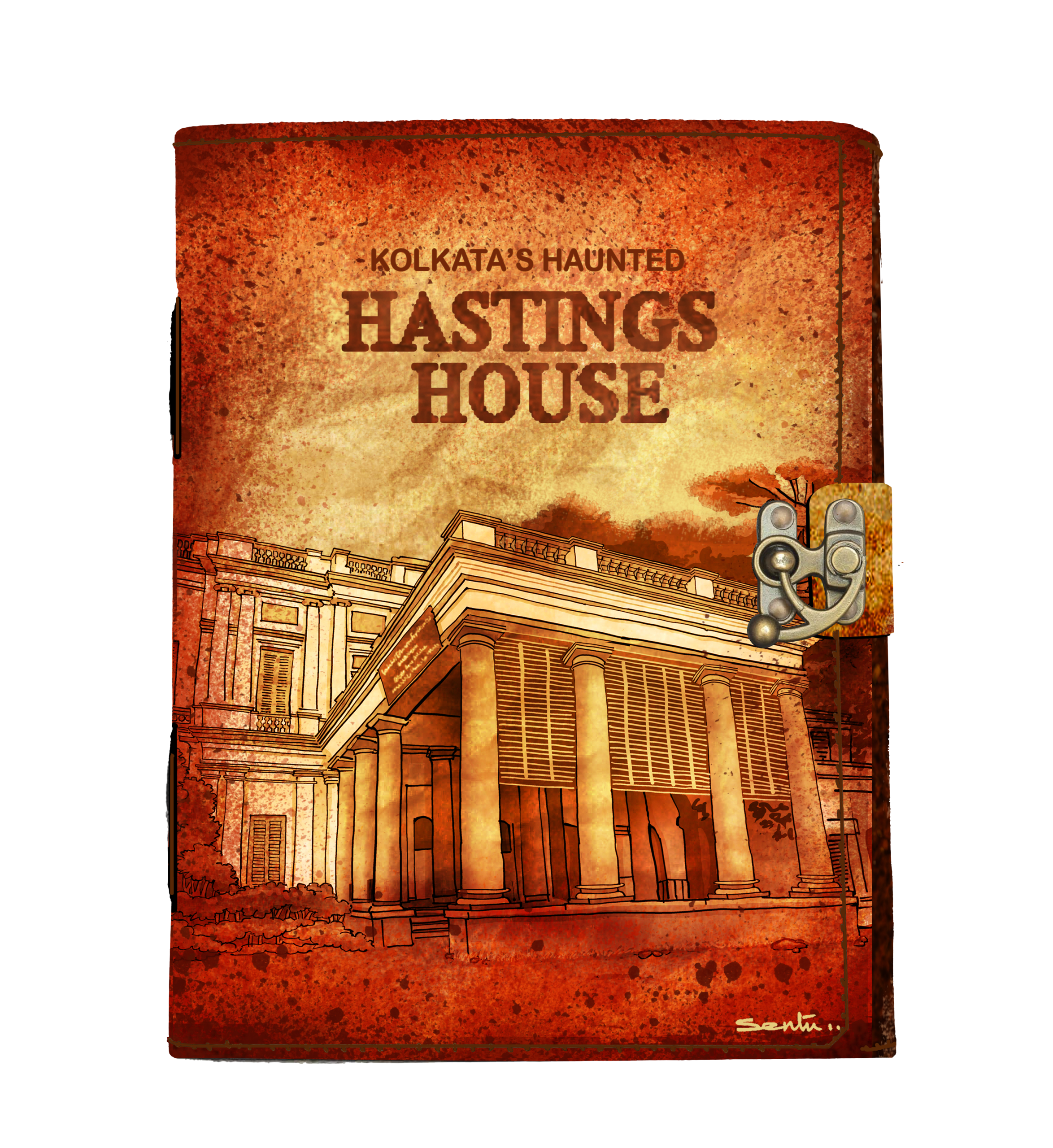
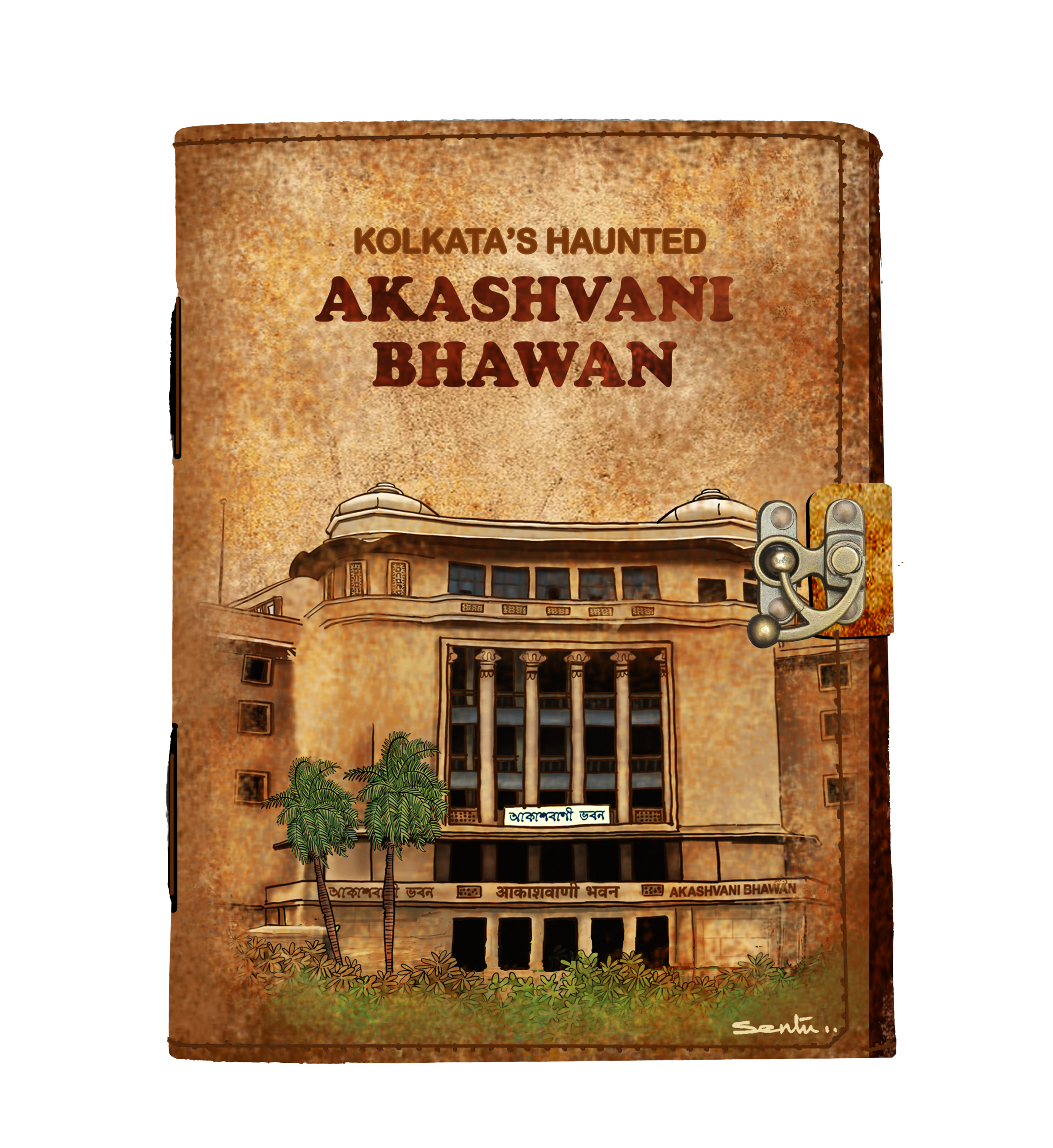
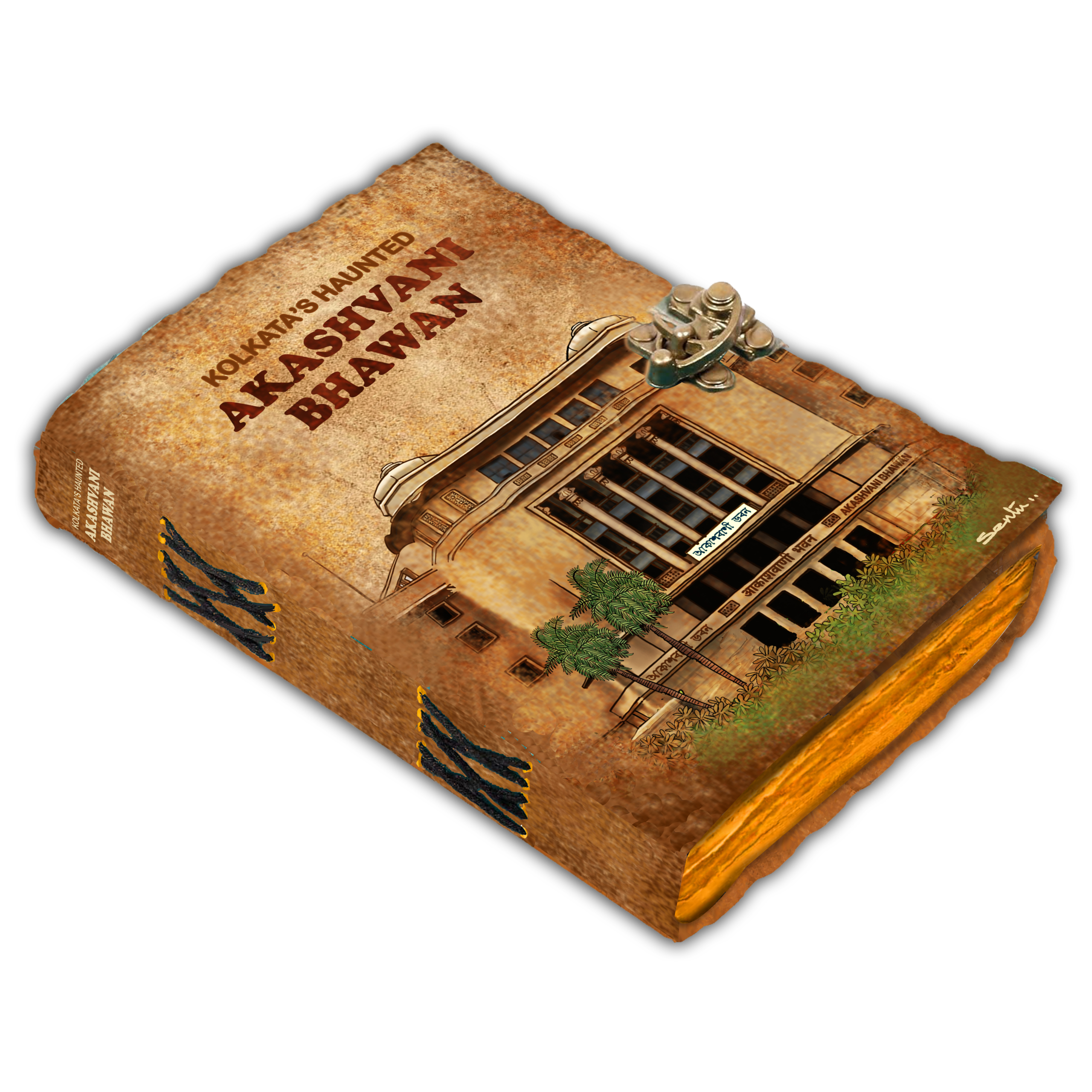
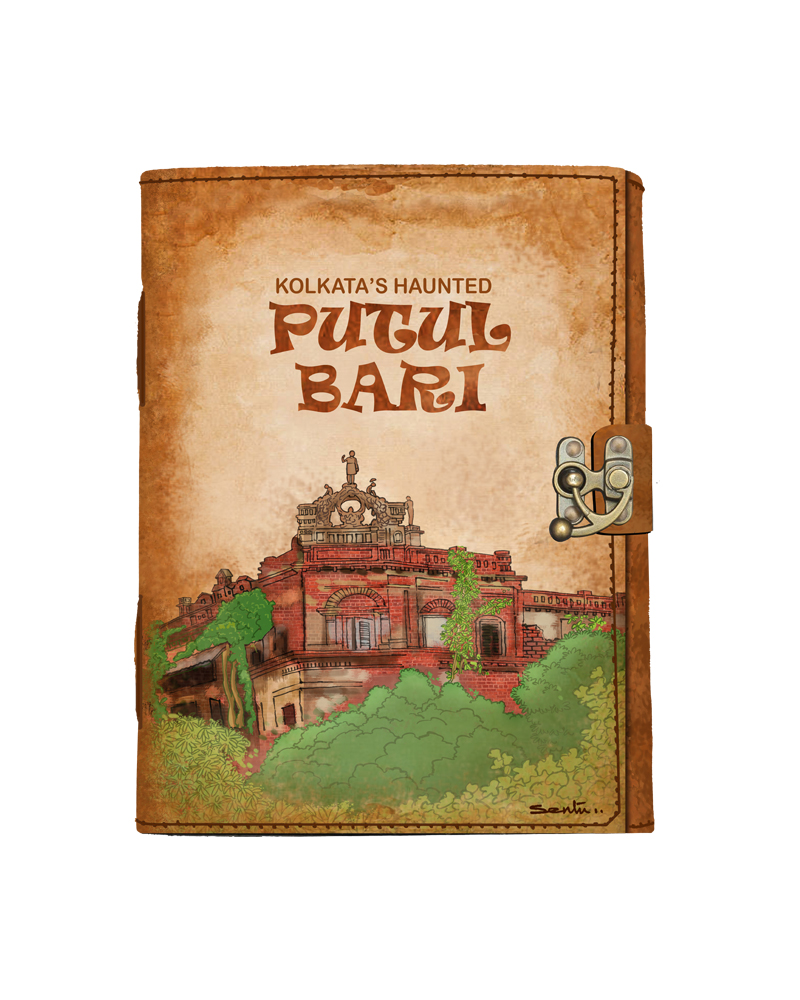
Our cartoonist Sentu brings this mysterious side of Kolkata to life through illustrations inspired by Writers’ Building, Akashvani Bhavan, Hastings House, the National Library and Putul Bari.
These are not simply drawings of buildings.
They are visual journeys into the stories, rumours and atmosphere surrounding Kolkata’s forgotten corners.
Grand colonial corridors, decades of history and countless memories make Writers’ Building perfect for a ghost story. Imagine those corridors after dark—silent, empty and echoing. For generations, Writers’ Building has stood at the heart of Kolkata’s political and administrative history. With its grand colonial architecture and countless stories of people who worked within its walls, it naturally inspires the imagination.
Now picture its long corridors after dark—empty, silent and echoing.
Is it just an old building… or something more?
That is where nostalgia turns into a ghost story.
### National Library — Where the Books Remember
A library after closing time is already a little mysterious.
Now imagine the National Library of India—an enormous historic institution surrounded by old trees, countless books and decades of memories.
Every book contains a story.
Every corridor has witnessed thousands of footsteps.
And somewhere among those thousands of pages, you might find a story that feels strangely personal.
But what if some stories were never meant to be read?
### Hastings House — A Mansion With Stories
Old colonial mansions have always inspired ghost stories, and Hastings House is no exception.
Its imposing architecture, age and historical associations make it perfect for the imagination to wander.
During the day, it is a piece of Kolkata's heritage.
At night, your imagination may tell you a completely different story.
Was that a shadow?
Did someone just walk past?
Or was it simply the house reminding you that it has been here far longer than you have?
Its colonial architecture and old-world atmosphere have made Hastings House a natural part of Kolkata’s haunted folklore.
By day, history.
By night, imagination takes over.
### Akashvani Bhavan — Voices From Another Time
Radio has always had a special relationship with Kolkata. Before television and smartphones, voices travelling through the radio connected people across the city.
Akashvani Bhavan carries that vintage atmosphere.
There is something strangely haunting about an old broadcasting building—rooms designed for voices, corridors filled with silence and memories of programmes that once travelled across Bengal. A place once filled with voices now carries a vintage, mysterious charm. Perhaps the most frightening sound isn't a scream—it’s a voice coming from somewhere it shouldn't.
### Putul Bari — The House That Feels Like a Storybook
Putul Bari, or the “House of Dolls,” is one of those Kolkata locations whose name alone sparks curiosity.
Its old architecture and layers of history have helped it become part of Kolkata's folklore and haunted imagination.
It feels almost as if the building belongs inside an old Bengali ghost story.
A forgotten house.
A dark corridor.
A window that seems to move.
And a story that refuses to disappear.
The “House of Dolls” feels like a forgotten Bengali ghost story—an old house, dark corridors, strange shadows and stories that refuse to fade.
## The Story Behind Sentu’s Illustrations Sentu’s artwork takes these elements of Kolkata and transforms them into something more imaginative. The illustrations don't simply ask you to look at a building. They ask you to feel the story behind it. The vintage textures, old-world architecture and mysterious atmosphere create the feeling of discovering a forgotten book from an old Kolkata bookshelf. It is nostalgia—with a little darkness. History—with a touch of mystery. And Kolkata—with a ghost story waiting around the corner.
## Would You Dare to Read These Stories at Midnight? There is something special about experiencing horror through places you already know. A foreign haunted castle can be frightening. But a haunted building you have passed hundreds of times? That feels different. The next time you walk past one of Kolkata's historic buildings, take a second look. Maybe the windows are simply windows. Maybe the shadows are simply shadows. Or maybe… Kolkata has a few stories that are still waiting to be told.
Explore Sentu’s Kolkata-inspired illustrations and rediscover the city through nostalgia, history and a little bit of horror.
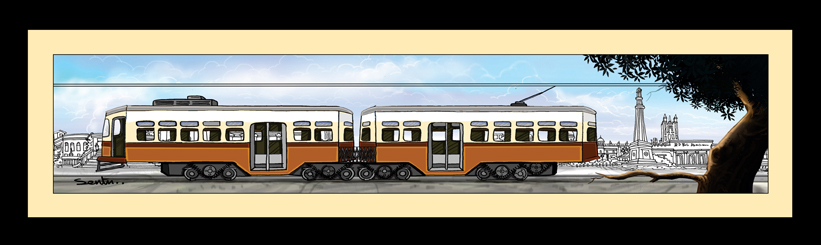
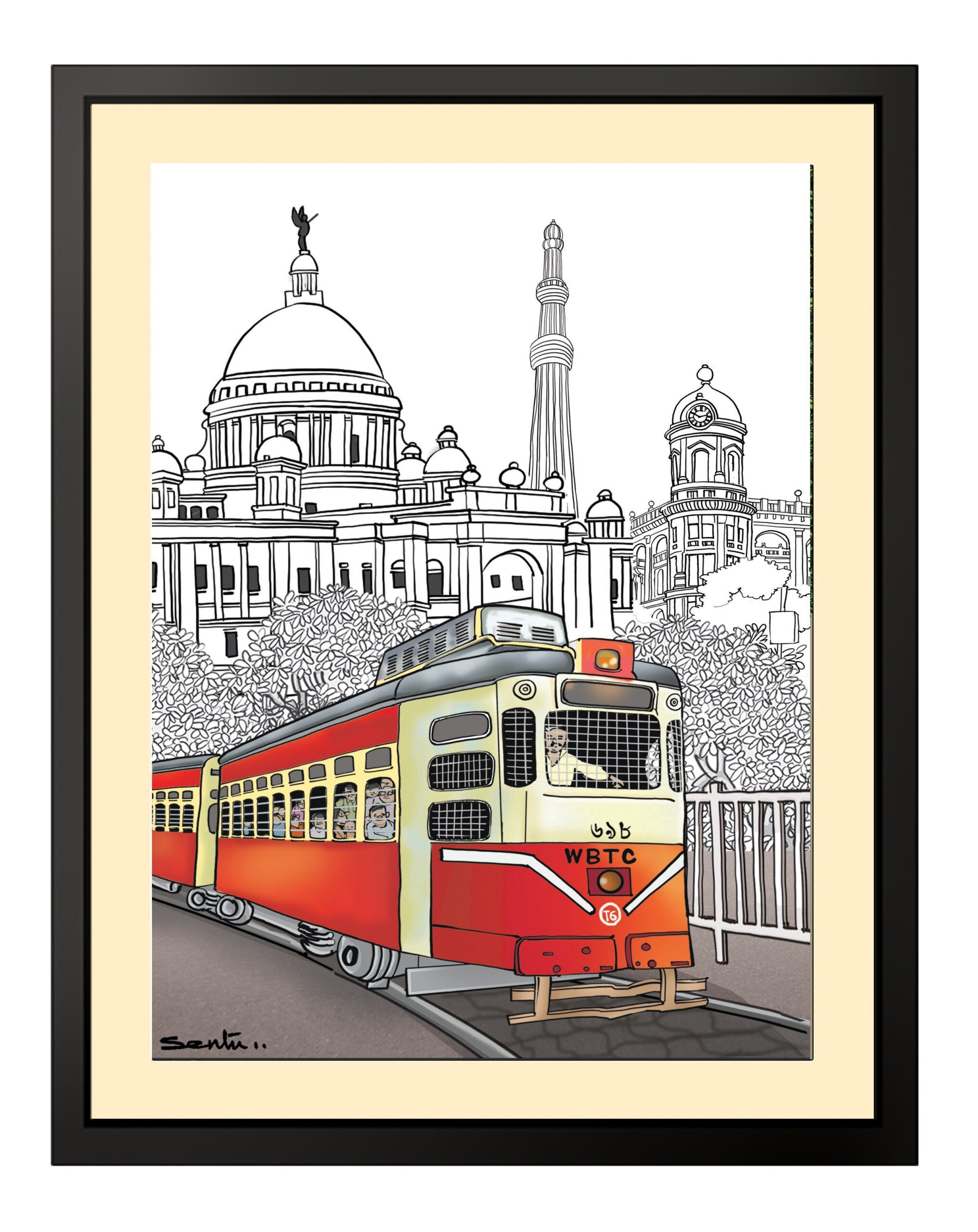
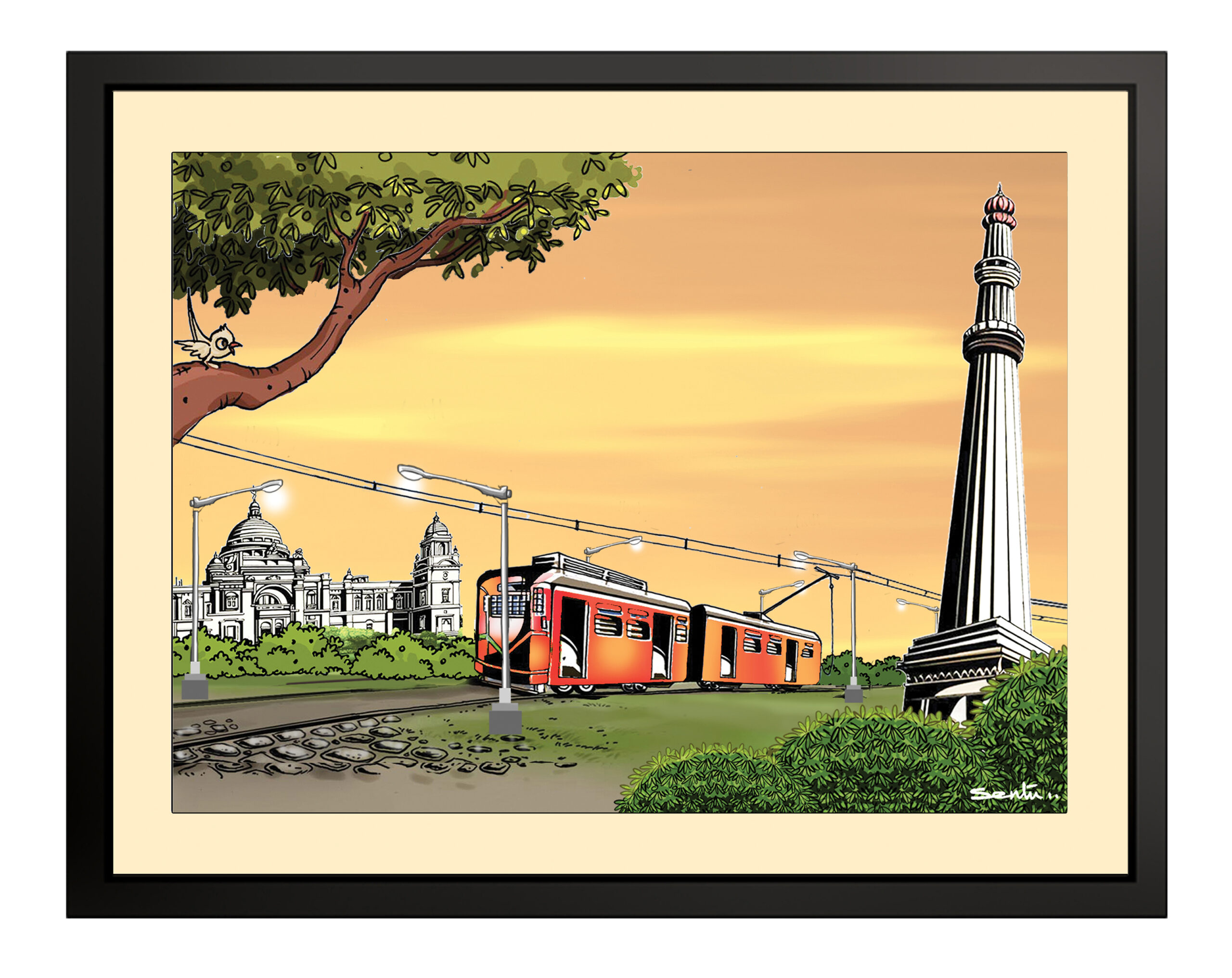
The Return of Kolkata's Iconic Tram: A Journey Back to the Heart of the City
There was a time when Kolkata woke up to the gentle rumble of the first tram at dawn. As the streetlights faded, the City of Joy slowly came alive. The rhythmic ding-ding of the tram bell echoed through the streets, blending with the laughter of schoolchildren, the bustle of office-goers, and the everyday life of a city deeply rooted in tradition.
For generations, the Kolkata Tram was much more than a mode of transport. It became a symbol of the city's heritage, nostalgia, and timeless charm. Every ride carried stories—students rushing to school, office commuters lost in thought, families enjoying leisurely journeys, and tourists discovering Kolkata's old-world beauty from its wooden seats.
As the city expanded and traffic grew denser, the pace of modern life demanded speed. Gradually, the tram was labelled as slow-moving, and services on many routes were discontinued. The once-busy tram tracks fell silent, gathering dust and becoming reminders of a glorious past.
Today, that silence is finally coming to an end.
With the government's initiative to revive Kolkata's historic tram network, the city is preparing to welcome back one of its most beloved landmarks. Restoration work has already begun, with municipal teams cleaning and repairing tram tracks across various routes. Soon, the familiar ding-ding of the tram bell will once again echo through Kolkata's streets, reconnecting the city with a legacy that has endured for over a century.
For artist and cartoonist Sentu, preserving Kolkata's heritage is not merely an artistic pursuit—it is a lifelong passion. Through Sentoor Kartoon, he has dedicated himself to documenting the city's disappearing landmarks, everyday icons, and cultural memories in the form of original illustrations and handcrafted souvenirs. From the timeless Yellow Taxi and the bustling streets of North Kolkata to the iconic Tram, each creation reflects his vision of ensuring that future generations continue to connect with the city's rich legacy. His artwork is an invitation to rediscover Kolkata—not just as a place, but as an emotion that deserves to be cherished, celebrated, and preserved.
The Kolkata Tram is the oldest operating electric tram system in Asia and remains one of the city's most recognizable cultural icons. More than transportation, it represents a slower, more graceful way of experiencing Kolkata—a reminder that heritage and progress can exist side by side.
For residents, it brings back cherished memories. For visitors, it offers an authentic glimpse into Kolkata's rich history and character.
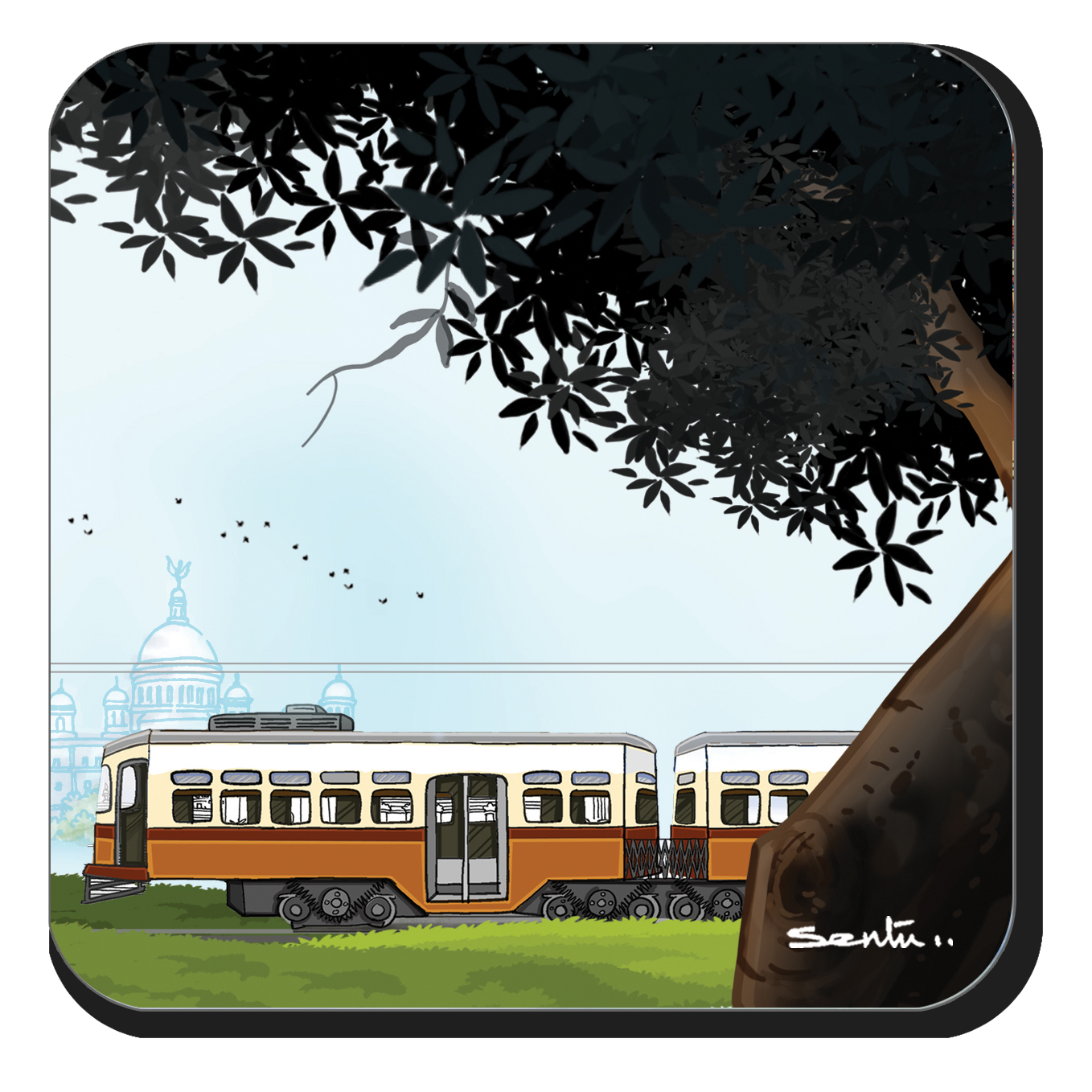
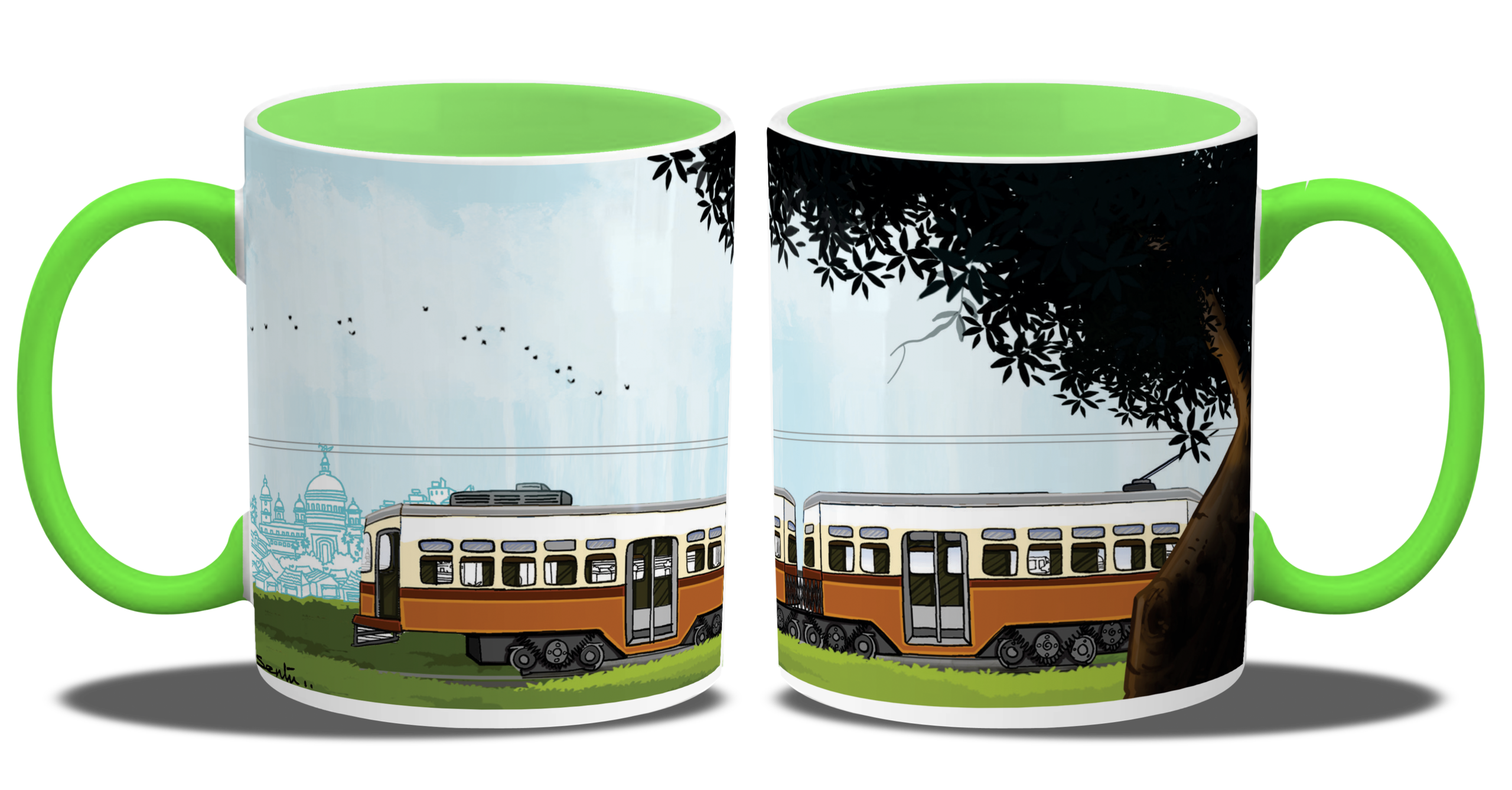
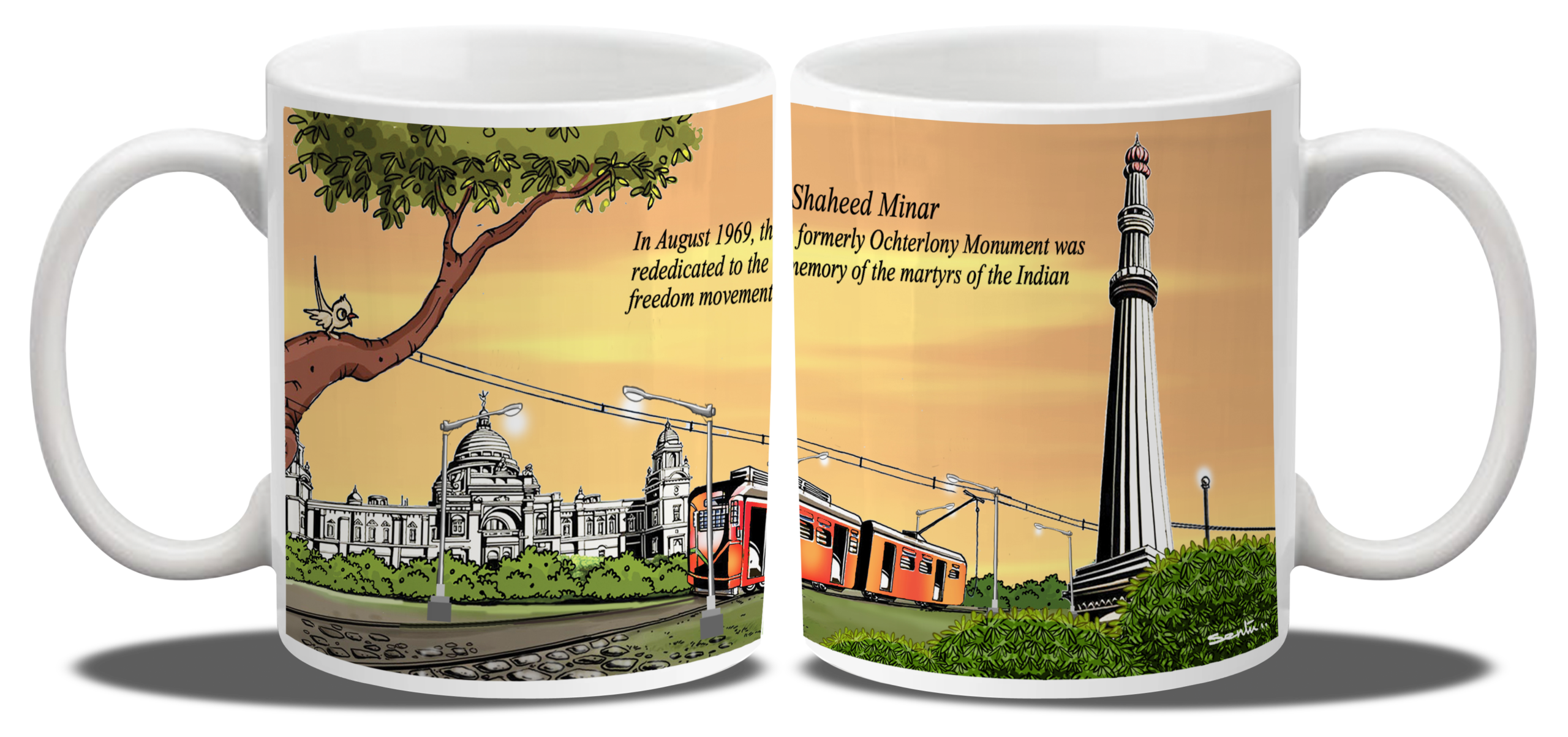
At Sentoor Kartoon, we believe that heritage deserves to be celebrated and preserved. Kolkata's iconic tram has inspired many of our artworks, capturing its timeless elegance through handcrafted souvenirs and collectibles.
From beautifully illustrated coffee mugs and wall hangings to fridge magnets, bookmarks, coasters, and other heritage-inspired keepsakes, our creations allow you to carry a small piece of Kolkata wherever you go.
Every design tells a story. Every product celebrates the city's unique identity.
As Kolkata's beloved tram prepares to return to the streets, we are delighted to continue honouring its legacy through art—ensuring that this timeless symbol of the City of Joy lives on, not only on its tracks but also in the hearts and homes of people around the world.
Because some icons never go out of style. They simply return to remind us where we belong.
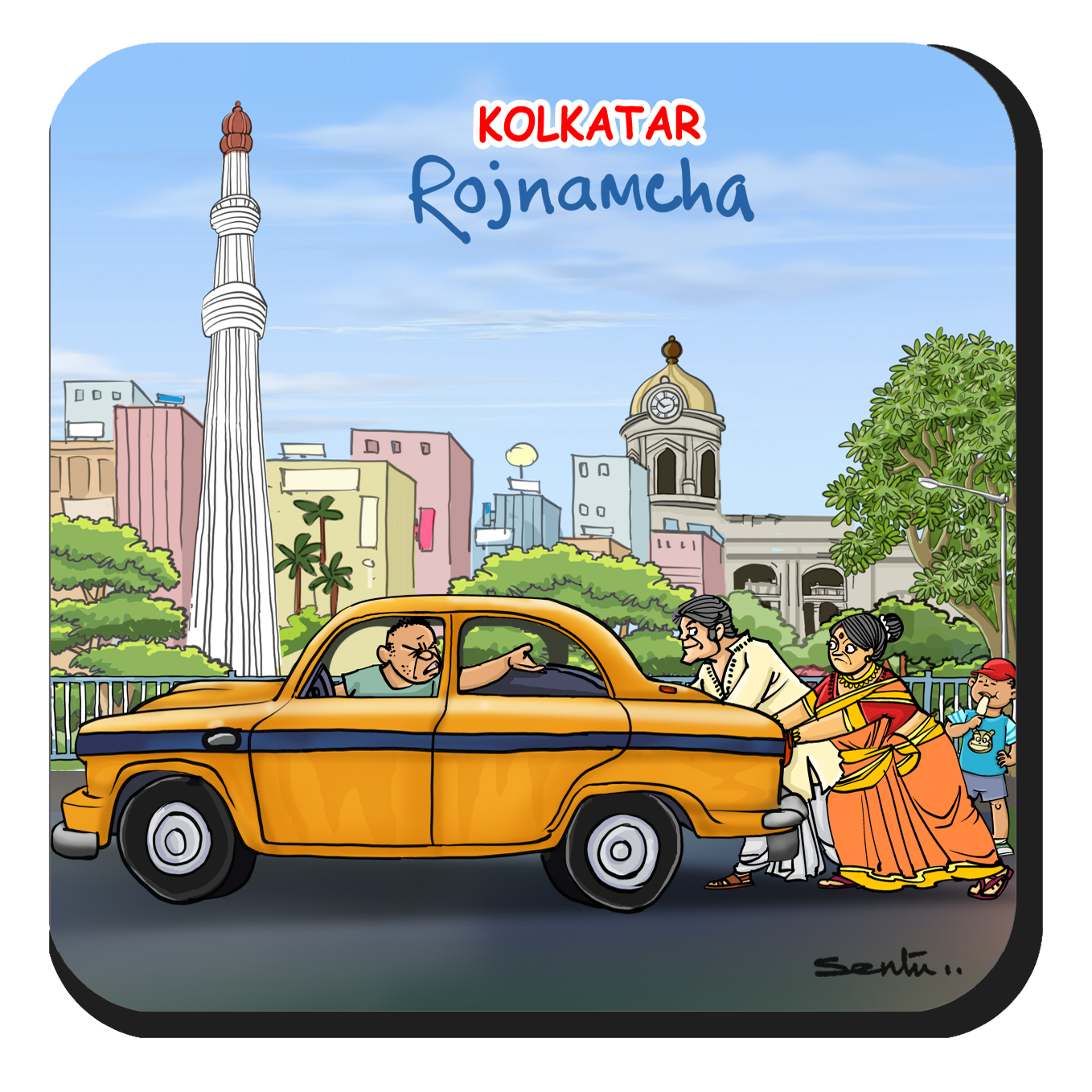
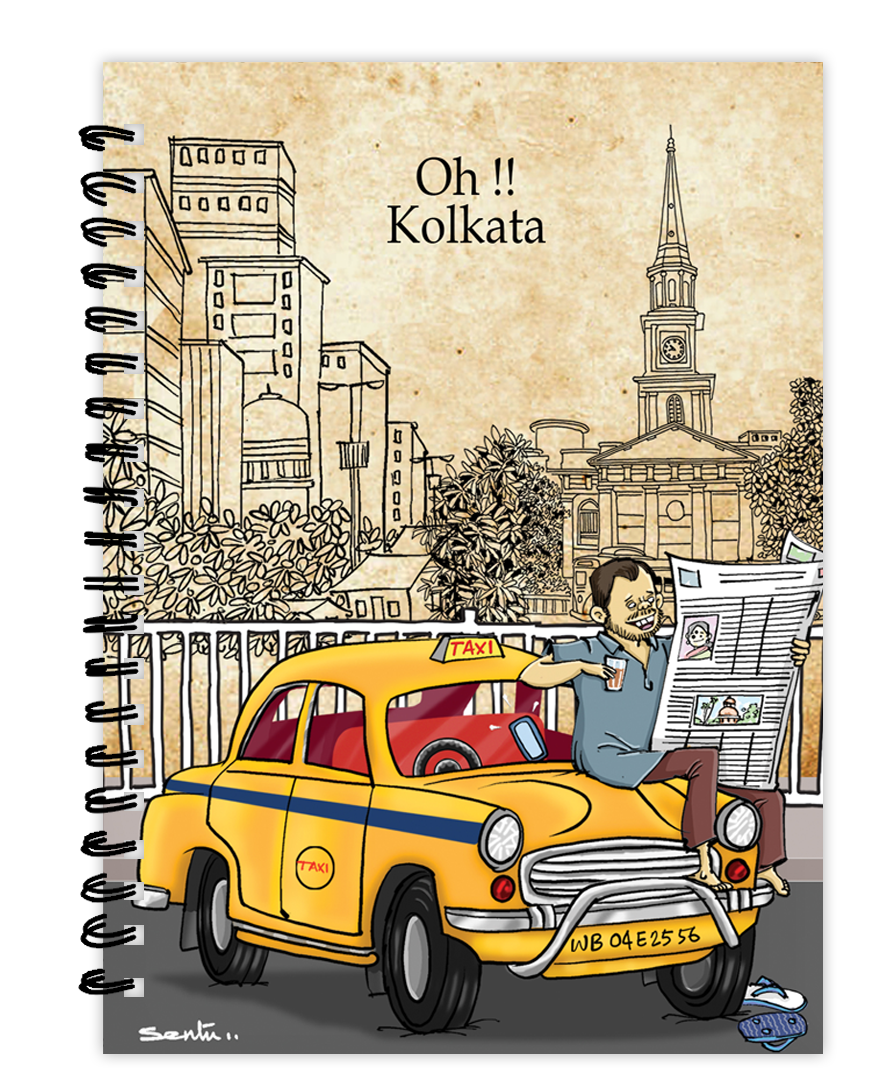
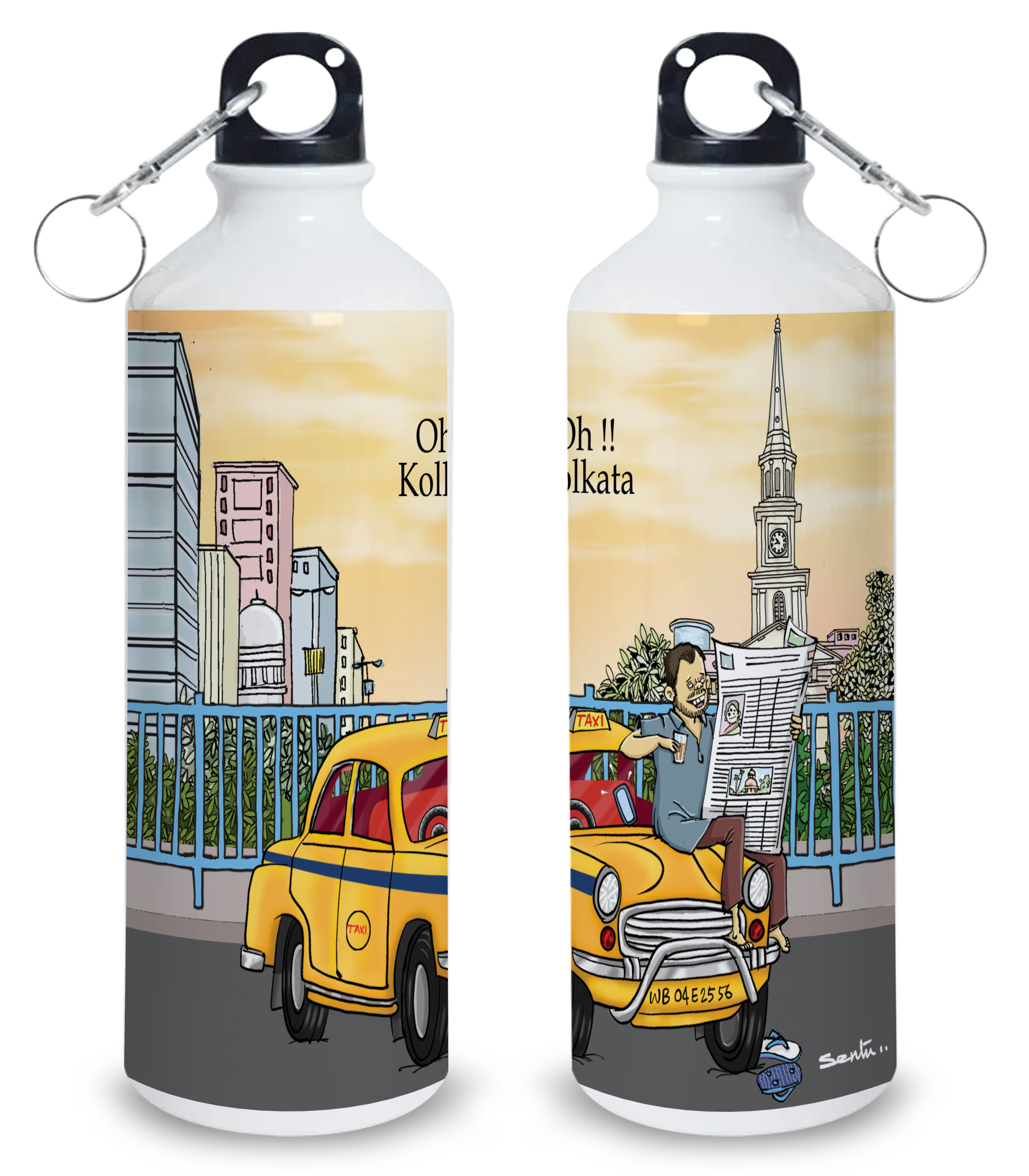
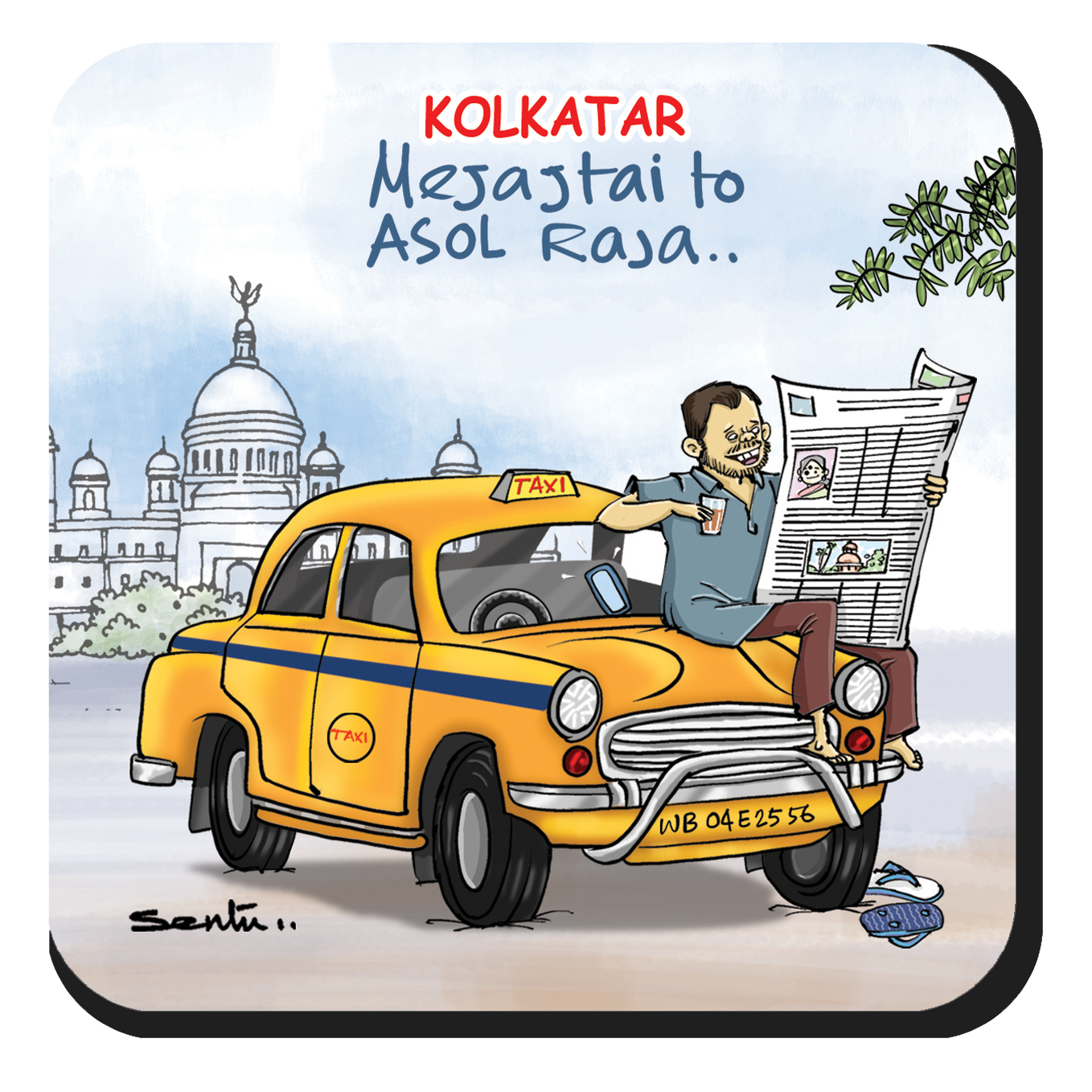
Kolkata’s Iconic Yellow Taxi: Preserving a Timeless Legacy Through Art 🚕💛
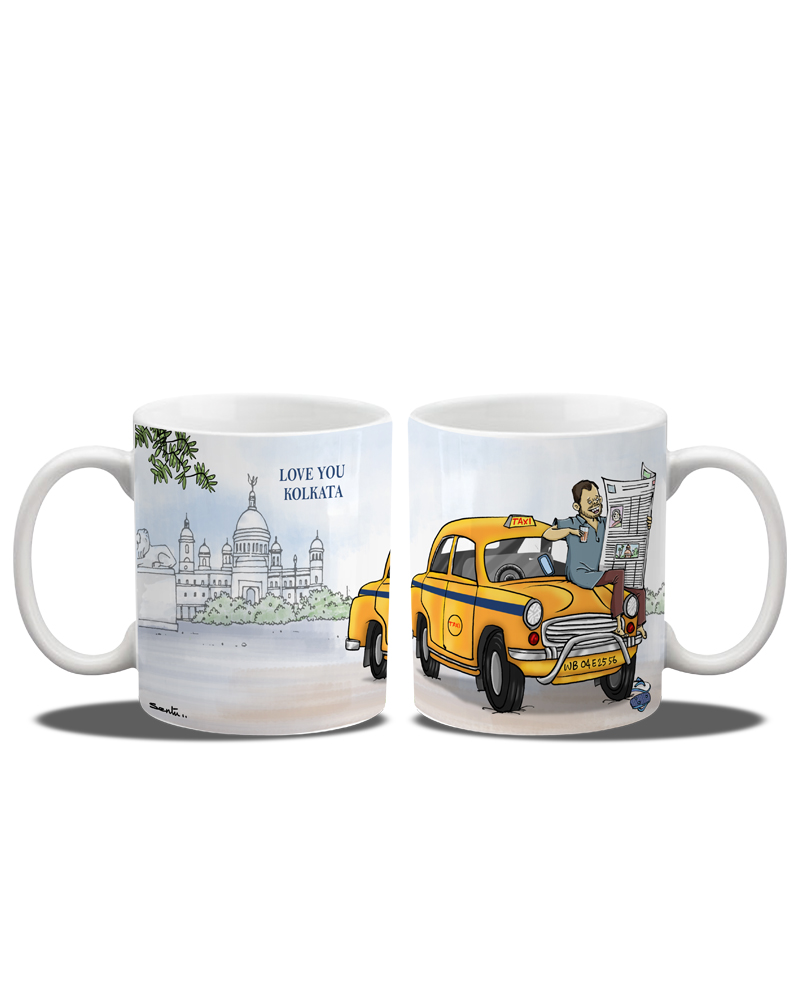
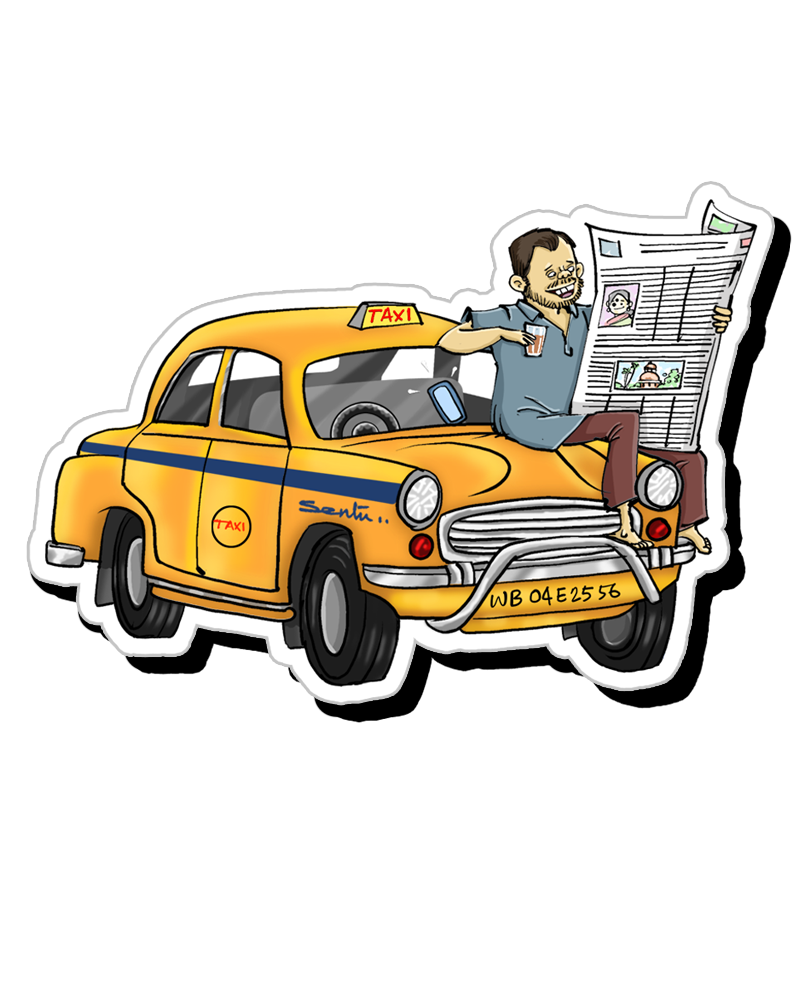
Kolkata is more than a city—it is a living story woven with heritage, culture, and unforgettable memories. Among its countless symbols, none is more iconic than the Yellow Taxi. Instantly recognizable with its bright yellow colour and classic Ambassador silhouette, it has long been a proud emblem of the City of Joy.
Since the 1950s, Kolkata's yellow taxis have done far more than transport passengers. They have silently witnessed the city's evolution, carrying millions of stories through its bustling streets. From the grandeur of Victoria Memorial and the timeless Howrah Bridge to the charming lanes of North Kolkata and the vibrant lights of Park Street, the yellow taxi has always been a faithful companion on every journey. For decades, these taxis have been there when life mattered the most. They have rushed families to hospitals during emergencies, helped office-goers beat the morning rush, carried anxious students to their examinations, reunited loved ones at railway stations and airports, taken couples on memorable dates, and welcomed tourists eager to explore Kolkata's rich heritage. Behind every yellow taxi is a story—of hope, excitement, celebration, love, determination, and everyday life.
For decades, these taxis have been there when life mattered the most. They have rushed families to hospitals during emergencies, helped office-goers beat the morning rush, carried anxious students to their examinations, reunited loved ones at railway stations and airports, taken couples on memorable dates, and welcomed tourists eager to explore Kolkata's rich heritage. Behind every yellow taxi is a story—of hope, excitement, celebration, love, determination, and everyday life.
A ride in a Kolkata yellow taxi is not merely a mode of transportation; it is an experience. The familiar sound of its engine, the comforting simplicity of its interiors, conversations with the driver, and the ever-changing cityscape outside the window create memories that remain long after the journey ends.
However, as modern app-based cab services have become increasingly popular, the number of Kolkata's iconic yellow taxis has gradually declined. What was once the heartbeat of the city's streets is slowly becoming a rare sight. With every disappearing taxi, Kolkata risks losing a cherished piece of its cultural identity and living heritage.
At Sentoor Kartoon, we believe that true heritage deserves to be remembered and celebrated. Our renowned cartoonist and artist Sentu transforms Kolkata's most beloved icons into timeless works of art, ensuring that the city's stories continue to live on for generations to come.
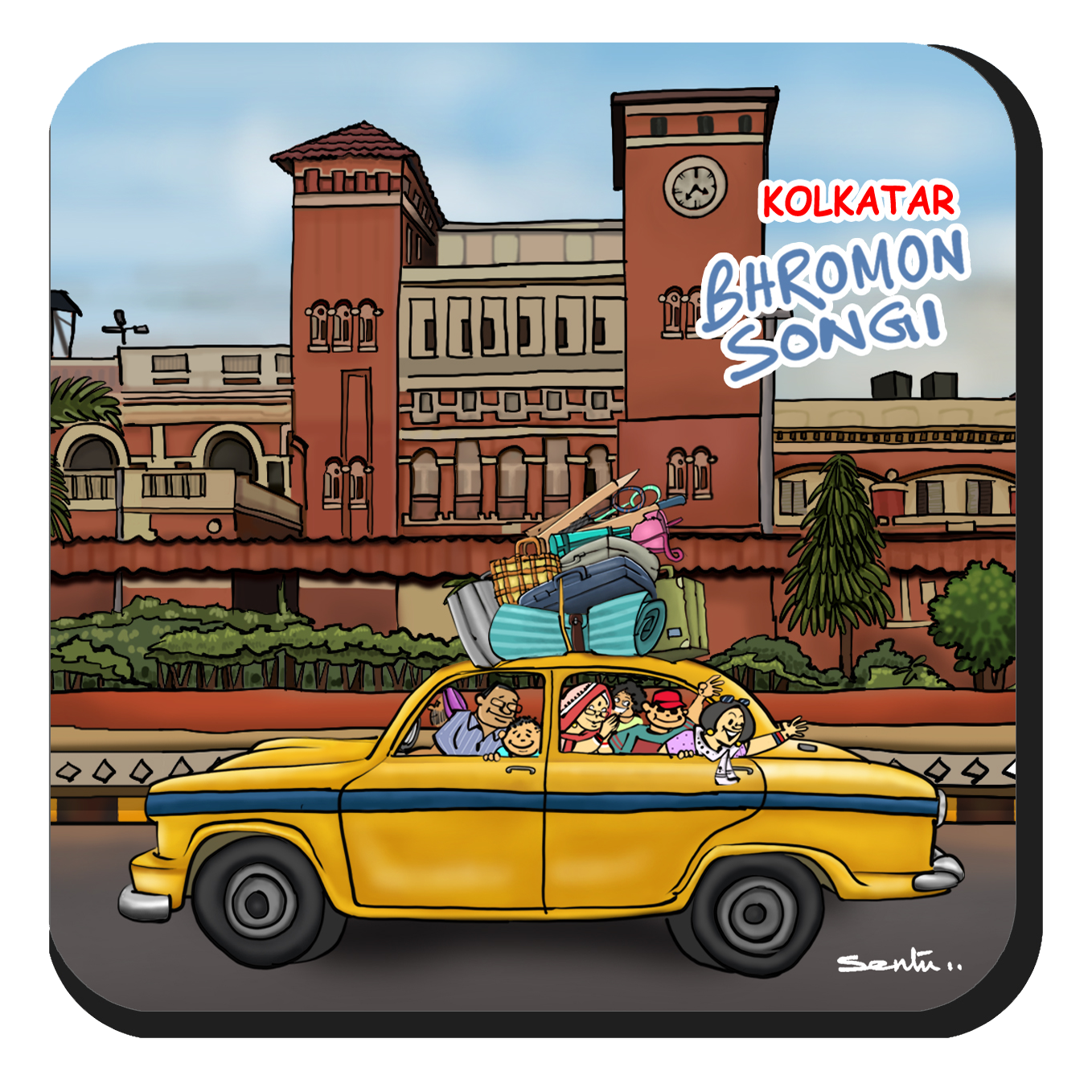
Inspired by Sentu's original illustrations, our exclusive collection of Yellow Taxi Coasters, Coffee Mugs, Fridge Magnets, and other heritage souvenirs allows you to bring home a piece of Kolkata's soul. These are not just souvenirs—they are keepsakes filled with nostalgia, designed for those who love the city, treasure its history, or wish to carry a part of Kolkata wherever they go.
Whether you are a proud Kolkatan, someone living far from home, or a traveller who fell in love with the City of Joy, every Sentoor Kartoon creation lets you relive the warmth, charm, and timeless spirit of Kolkata.
Because while the yellow taxi may gradually disappear from the streets, its legacy should never fade from our hearts.
Sentoor Kartoon is committed to preserving Kolkata's heritage through art—one illustration, one souvenir, and one unforgettable story at a time. 💛🚕